



Key Highlights
- Body awareness from yoga helps, but doesn’t fully prevent lifting injuries
- Most injuries happen outside the studio — when movements are rushed or awkward
- Manual handling training in Melbourne can support safe movement beyond the mat
- Protecting your back keeps your practice consistent and sustainable
If you’ve been practising yoga for a while, you probably have a good sense of how your body moves. You know when something feels off, you pay attention to your posture, and you’ve likely been told more than once to “engage your core” or “move with intention.” On the mat, it makes perfect sense.
But off the mat? It’s not always that simple.
Everyday movements — like lifting a laundry basket, carrying groceries, or shifting a box at work — don’t happen in the calm, controlled space of a yoga studio. They’re quick, unplanned, and often done without much thought. And that’s when even a strong, mindful body can end up strained or injured.

Yoga builds awareness — but safe lifting takes a bit more.
Awareness is helpful — but not always enough
One of the great benefits of yoga is how much it teaches you to listen to your body. You get used to noticing alignment, adjusting your breath, and staying present in each movement. That awareness definitely helps — but it doesn’t make you immune to injury, especially when the movement isn’t intentional.
At work, home, or anywhere outside the studio, lifting often happens without a warm-up, without planning, and under conditions that yoga doesn’t prepare you for. You might be twisting, leaning, or reaching awkwardly — often while distracted or in a rush. Even with good posture habits, it’s easy to overload the wrong muscles or put strain on your back without realising.
Awareness gives you a head start, but it’s not the whole story. Lifting safely in real life requires a different kind of preparation — and sometimes, learning new habits that don’t come from the mat.
Most injuries don’t happen in a studio
In a yoga class, you’re usually working on a mat, in soft lighting, with plenty of space and a teacher nearby. Movements are intentional, transitions are cued, and you’re reminded to slow down. It’s a controlled environment designed to support your body.
But most injuries — especially the ones that linger — happen somewhere much less mindful.
They happen when you’re lifting something awkward out of the car. Or bending to pick up a heavy box at work. Or rushing to move something without thinking about your stance. These are the kinds of movements that fall outside your regular practice, but they still challenge your body — often more than you realise.
That’s why safe lifting isn’t just a physical skill. It’s also about context. Even a flexible, strong, body-aware person can tweak something when the situation catches them off guard. And once that happens, your practice gets put on pause.
There’s more to lifting than good form
Good form helps — but lifting safely isn’t just about your spine position or how deep your squat is. It’s about understanding the load, the angle, the surface you’re standing on, and how tired you are when you go to move. That’s not something yoga always prepares you for.
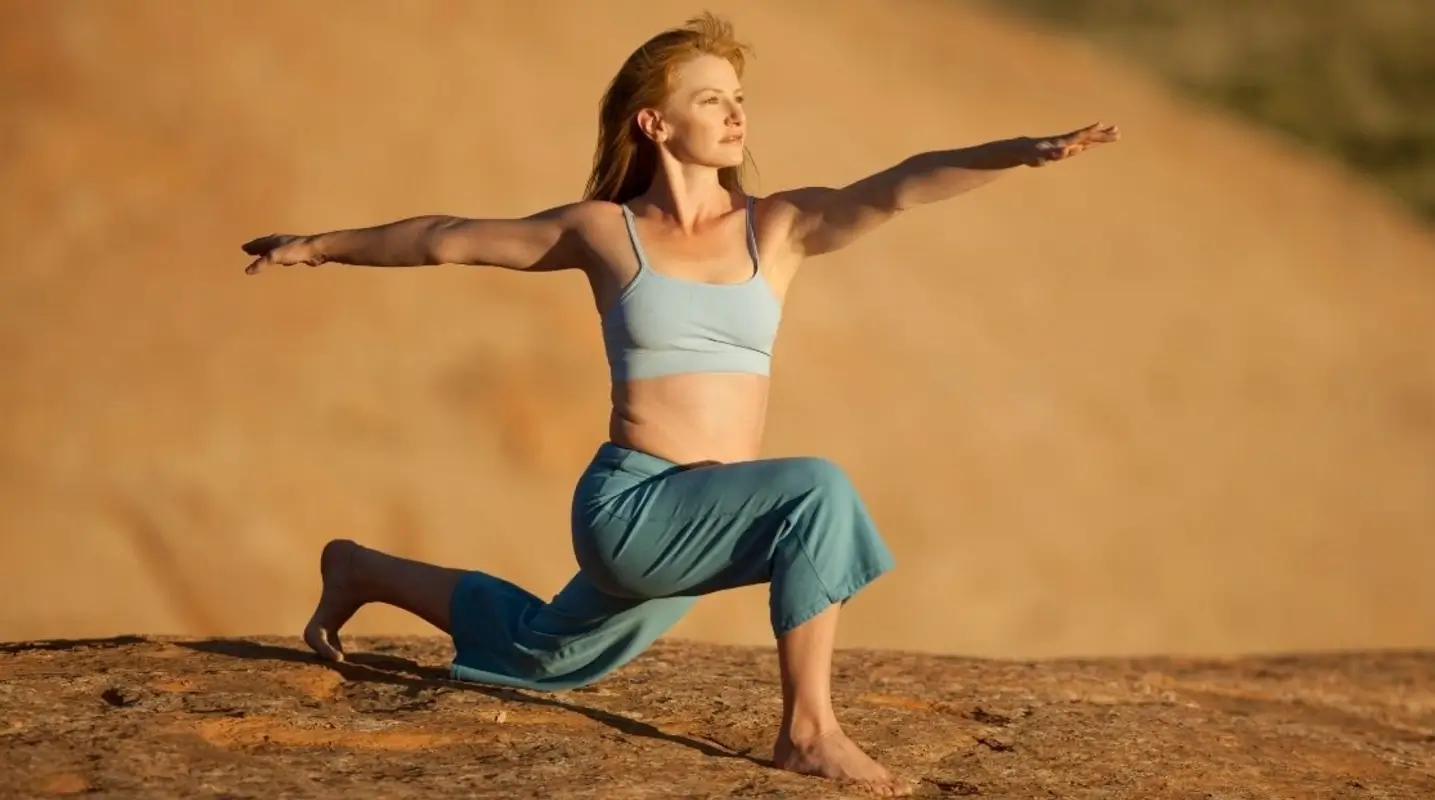
You might know how to align in Warrior II, but that doesn’t mean you’re lifting safely when bending into a car boot, reaching overhead, or twisting while holding weight. In those moments, you’re applying movement in real-world conditions — and that’s where many injuries happen.
That’s why some people are turning to manual handling training in Melbourne — not just for work, but to better understand how to protect their bodies in daily life. It’s a practical way to build awareness beyond the studio, especially if you’re lifting often at home, helping others, or juggling a physical job alongside your practice.
Protecting your practice means protecting your back
It only takes one strain to disrupt your whole routine. A sore lower back, a pulled shoulder, a pinched nerve — they don’t just affect your lifting, they affect your mobility, your focus, and your ability to enjoy your practice.
Yoga might help you recover, but prevention is better. When you learn to move safely in the less mindful parts of life — lifting, carrying, reaching, bending — you reduce the risk of injury that can interrupt everything else.
Lifting with care isn’t just about avoiding pain. It’s about looking after the one body you get, so you can keep moving well for years to come.
Final thoughts
Yoga teaches us presence. It teaches us to move with intention and to respect the body’s signals. But outside the studio, it’s easy to slip into habits that undo all that good work.
Carrying that same awareness into everyday movement — especially when lifting — is part of the practice too. It’s not about being perfect. It’s about paying attention when it matters most.