

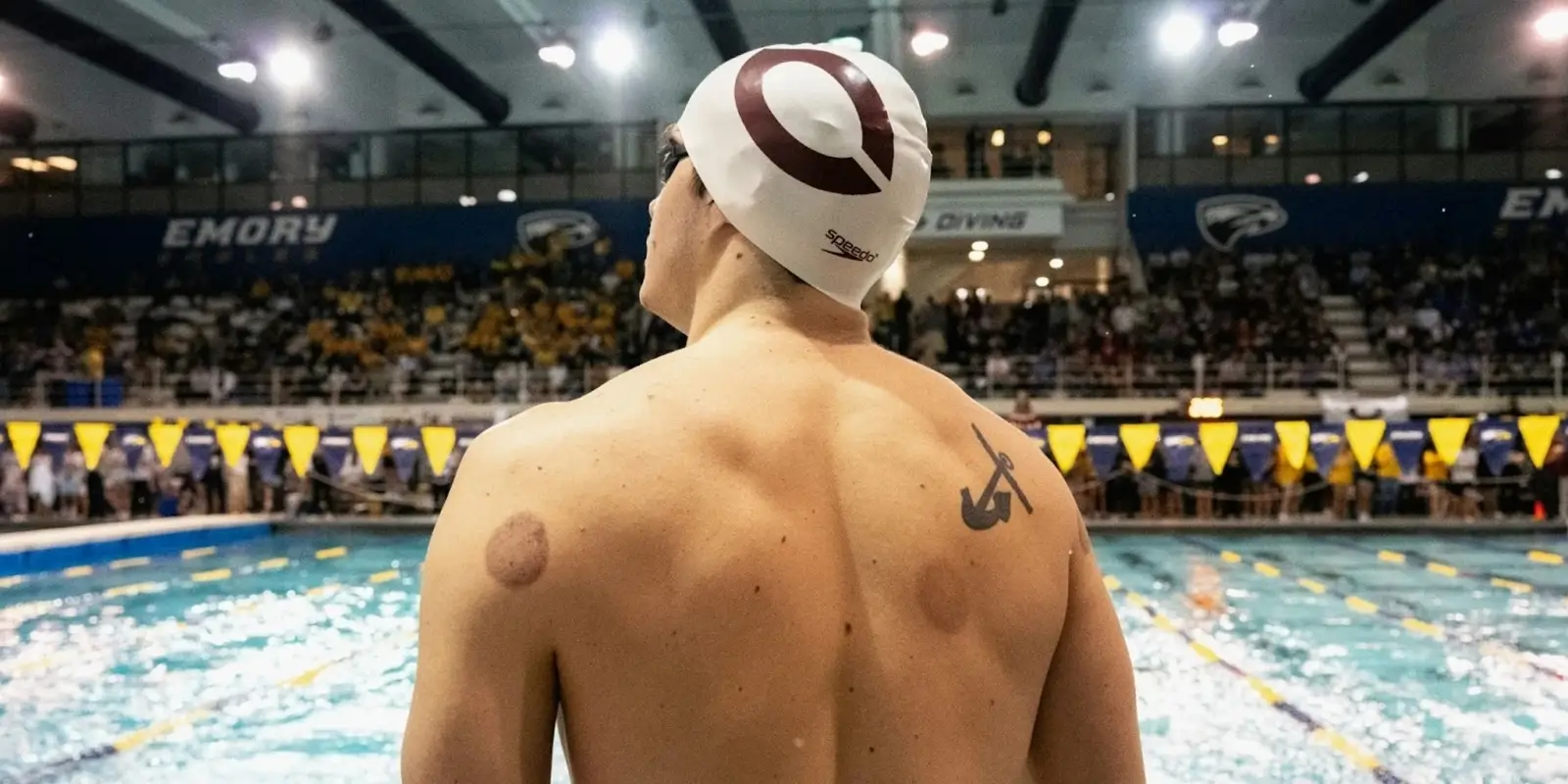

When players talk about what keeps them on the field, it’s rarely just the gym work.
Massage. Mobility. Sleep. Saunas. The recovery routine matters just as much as the match prep—and more and more athletes are treating post-game care like a second job.
While cryotherapy, compression boots and ice baths still get the headlines, there’s a growing group turning to osteopathy to handle the subtler parts of recovery. The tight spots. The movement restrictions. The patterns that don’t hurt yet, but probably will next week if you don’t sort them.
Osteopathy’s not about magic fixes. It’s hands-on, yes—but it’s also structured. Part release, part reset. One of those things that fits into a player’s week alongside their physio, massage and S&C work. For pros and local players alike, working with an osteopath in Sydney has become less of a backup plan and more of a standard piece in the recovery puzzle.
More Than Just Treating Soreness
Ask anyone who’s played through a long season: the issue isn’t always pain. It’s tightness that won’t go away. It’s a side that won’t rotate properly. It’s back stiffness that makes warm-ups longer each week.
This is where osteo fits in. The aim isn’t just to make something feel better—it’s to get it moving better. Most sessions start with checking how the body’s actually functioning. Think shoulder mobility, thoracic rotation, hip load. Because often, the sore hammy or cranky back isn’t the real issue. It’s just the part that’s overworking to compensate.
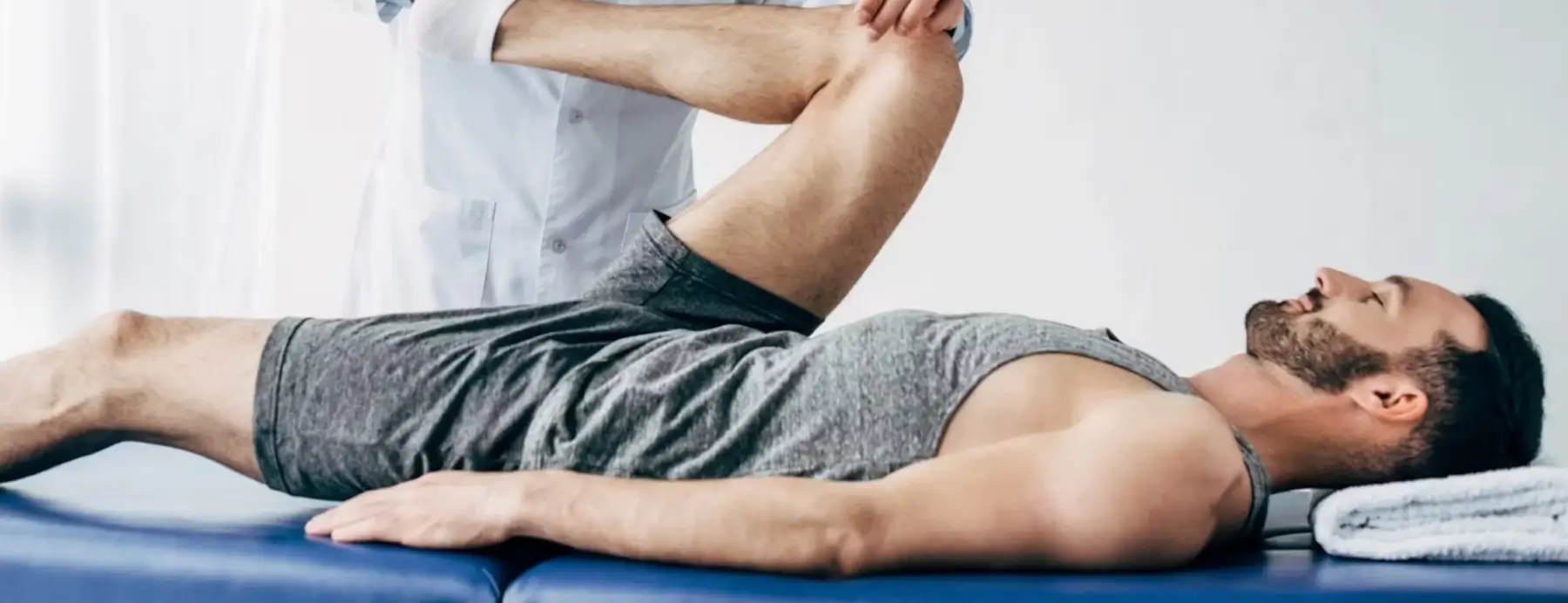
Treatment looks different depending on what’s found. Sometimes it’s soft tissue release. Sometimes joint mobilisation. Sometimes it’s guided movement to help reset patterns the body’s stopped doing well. It’s subtle—but when it clicks, you know.
The Midweek Tune-Up That Keeps You Moving
Plenty of players are slotting osteo into their regular week. Not because they’re injured, but because they don’t want to be.
A Monday or Tuesday session post-game helps clear out stiffness and reset joint mechanics before main training. It also gives the player and their support team early warning signs—tight hip here, shoulder not tracking right there. Things that can be addressed before they become issues.
It’s the kind of work that helps the rest of the recovery tools actually land. Stretching’s more effective when tissue tension is balanced. Strength work’s safer when mobility’s been restored.
Working With the Body, Not Against It
Osteo’s biggest strength might be that it doesn’t fight the body—it works with it. Instead of smashing through pain, it’s about easing movement back into place and giving the nervous system space to recalibrate. For players dealing with chronic overload, that matters.

It also works well alongside other care. Osteos aren’t trying to replace physios or myos or performance coaches. They’re adding a layer—often focused on integration and movement control rather than just area-specific treatment.
Not Just for the Pros
This kind of recovery support isn’t limited to AFL players or rep squads. Local athletes, semi-pros, and weekend warriors are getting more proactive about how they recover—because they know what happens when they don’t.
One missed session turns into two. Tightness becomes pain. Performance dips. A rolled ankle that could’ve been avoided becomes a six-week break. Seeing an osteopath in Sydney isn’t about being broken—it’s about staying ready.
The smart players aren’t waiting for something to go wrong before booking in. They’re using it to build the kind of durability that lasts longer than a single season.


