

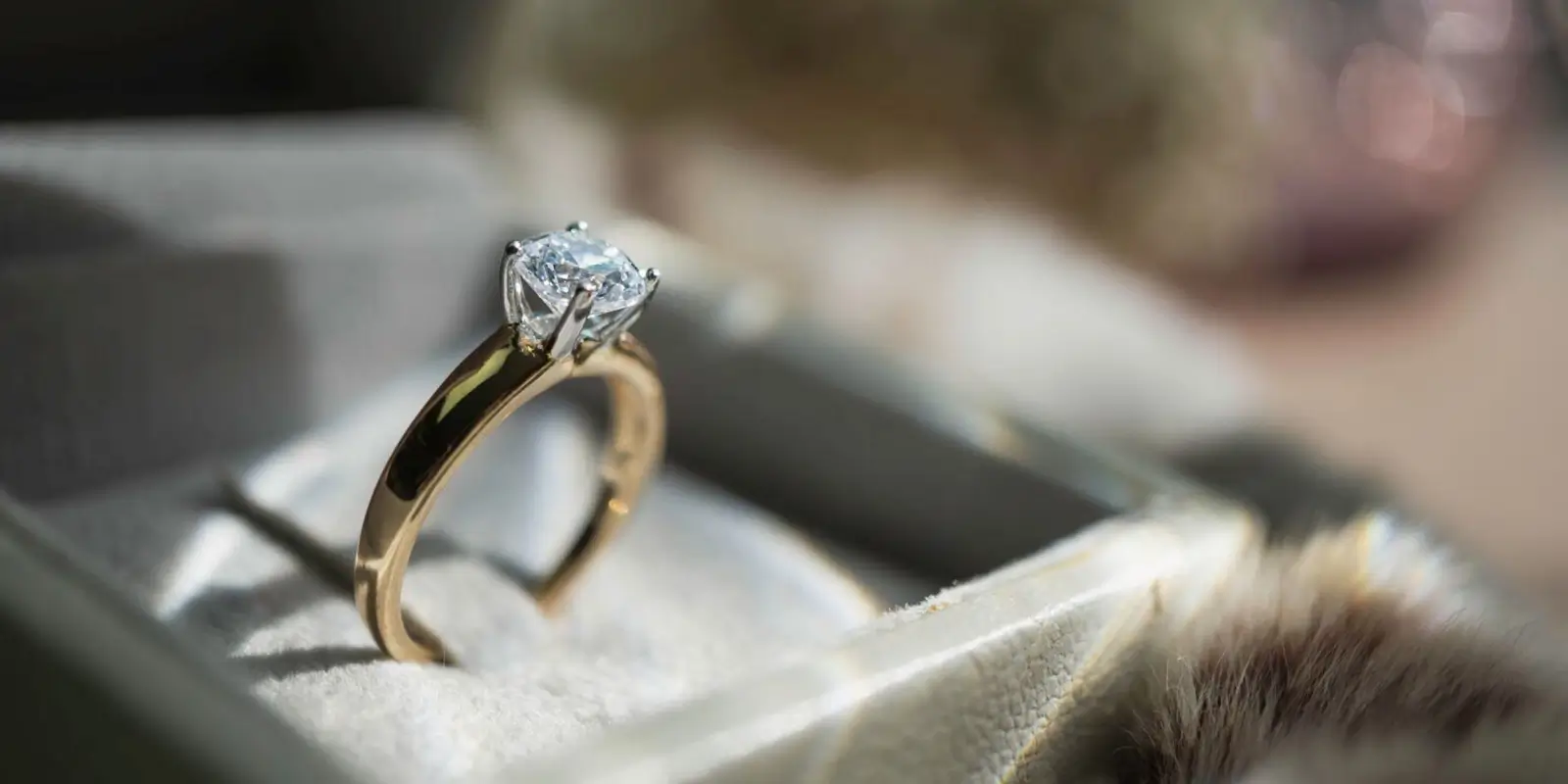

An engagement ring is far more than a piece of jewelry. It is a symbol of commitment, love, and the shared future of two people. While diamonds have long been the traditional choice, modern couples are increasingly open to exploring other gemstones that better reflect their personality, values, and lifestyle. Color, durability, symbolism, and budget all play an important role in selecting the right stone.
This article explores the best gemstones for engagement rings, explaining what makes each option special, how suitable it is for everyday wear, and what it symbolizes. Whether you prefer a classic look or something more distinctive, understanding your options will help you make a confident and meaningful decision.
Diamond: The Enduring Symbol of Forever
Diamonds remain the most iconic engagement ring gemstone worldwide. Their popularity is rooted in both symbolism and practicality. Diamonds represent eternity, strength, and unbreakable bonds, making them a natural metaphor for marriage.
From a technical perspective, diamonds are unmatched in durability. They rank at the top of the Mohs hardness scale, making them extremely resistant to scratching and ideal for daily wear over decades. Their brilliance and fire—how they reflect and disperse light—create the sparkle many people associate with engagement rings.
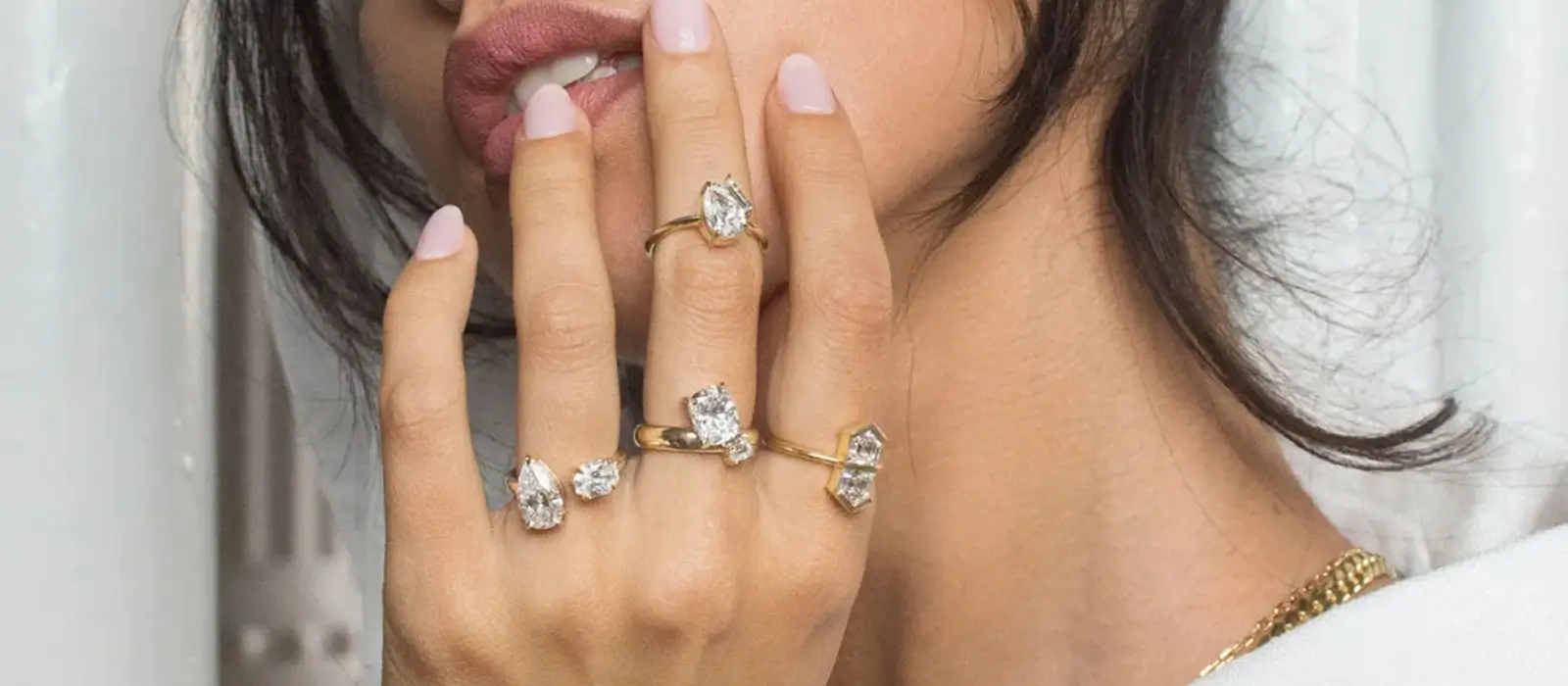
Diamonds are also incredibly versatile. They work well in all ring styles, from minimalist solitaires to elaborate vintage settings, and pair beautifully with any metal. While natural diamonds can be costly, lab-created alternatives provide the same visual and physical qualities at a lower price, making diamonds accessible to a wider range of budgets.
Sapphire: Elegant, Durable, and Timeless
Sapphires are one of the most popular alternatives to diamonds for engagement rings. Known primarily for their deep blue hue, sapphires also appear in pink, yellow, green, and even white, offering a wide range of stylistic options.
Sapphires are highly durable, ranking just below diamonds on the hardness scale. This makes them well-suited for everyday wear, even for active lifestyles. Their rich color gives them a sophisticated presence, while their symbolism—loyalty, wisdom, and trust—aligns perfectly with the meaning of marriage.
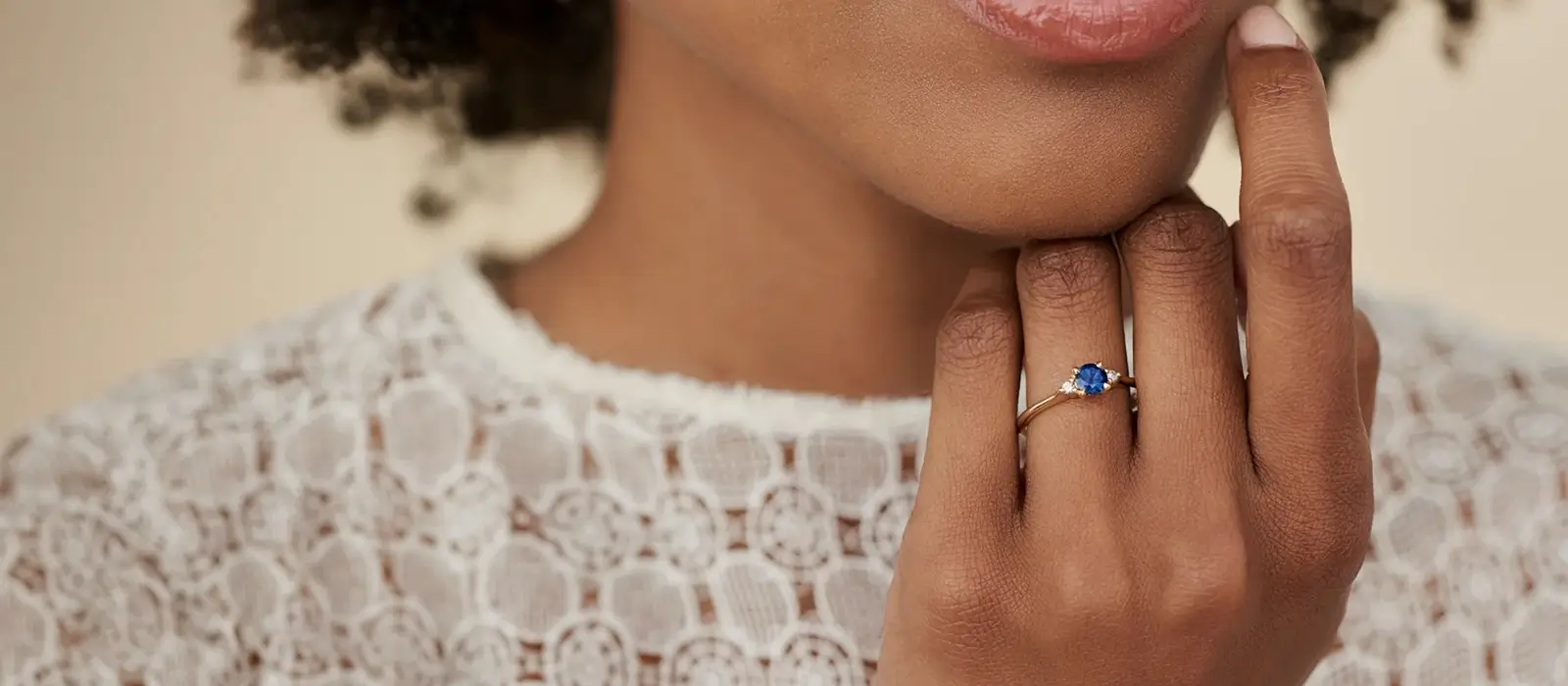
Because sapphires tend to hide inclusions better than diamonds, they often appear visually cleaner. This combination of beauty, strength, and symbolism makes sapphires an exceptional choice for engagement rings that feel both classic and distinctive.
Ruby: A Bold Expression of Passion
Rubies are famous for their intense red color, long associated with love, desire, and vitality. As one of the most emotionally powerful gemstones, rubies make a strong statement in an engagement ring.
Like sapphires, rubies belong to the corundum family and are extremely durable. Their hardness makes them suitable for everyday wear, while their vivid color ensures they stand out in any setting. High-quality rubies are rare, which adds to their prestige and value.
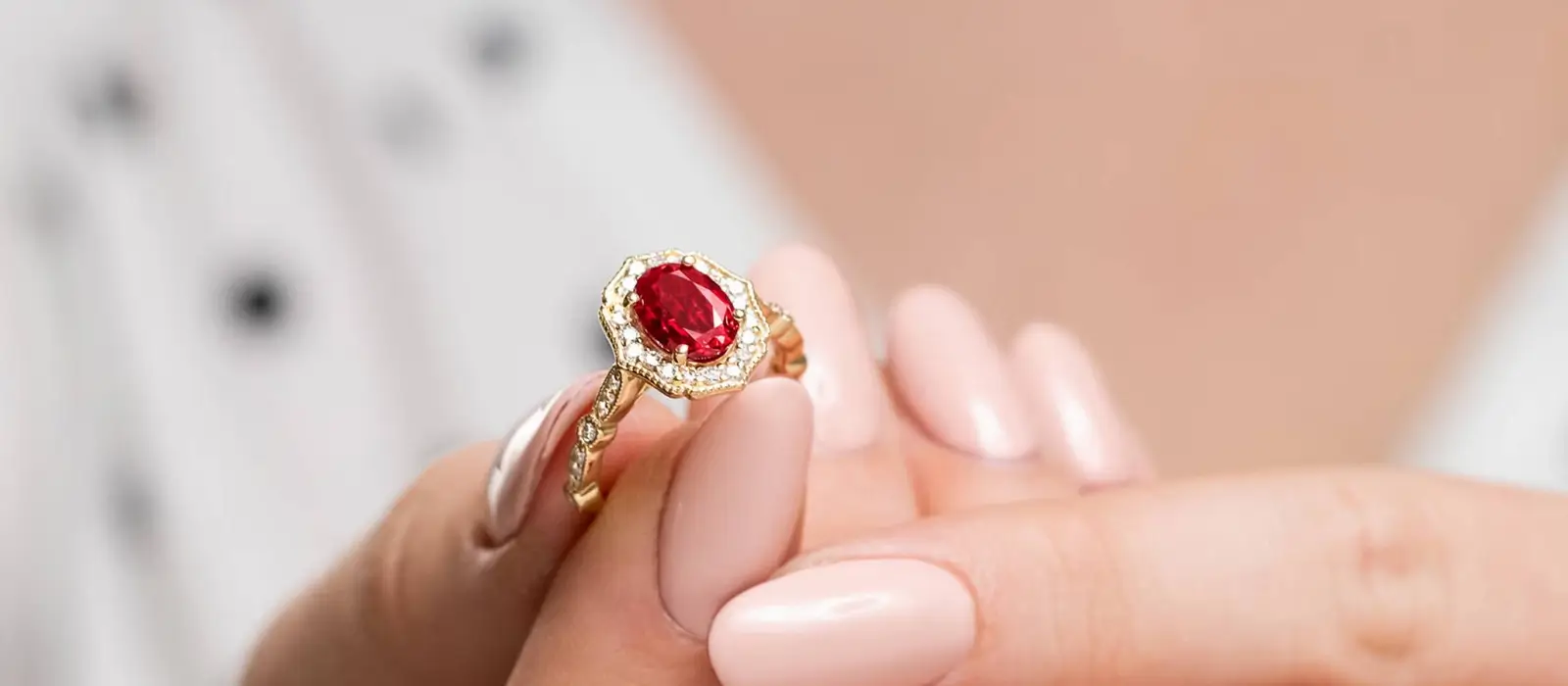
A ruby engagement ring often appeals to couples who want something unconventional yet deeply symbolic. It reflects confidence, passion, and a relationship full of energy and intensity.
Emerald: Natural Beauty with Timeless Charm
Emeralds are treasured for their lush green color and long-standing association with love, renewal, and growth. Historically worn by royalty and admired for centuries, emeralds bring a sense of elegance and depth to engagement rings.
However, emeralds require more care than diamonds or sapphires. They are slightly softer and typically contain natural inclusions, which give each stone a unique character but also make them more vulnerable to damage. Protective settings can help improve durability.
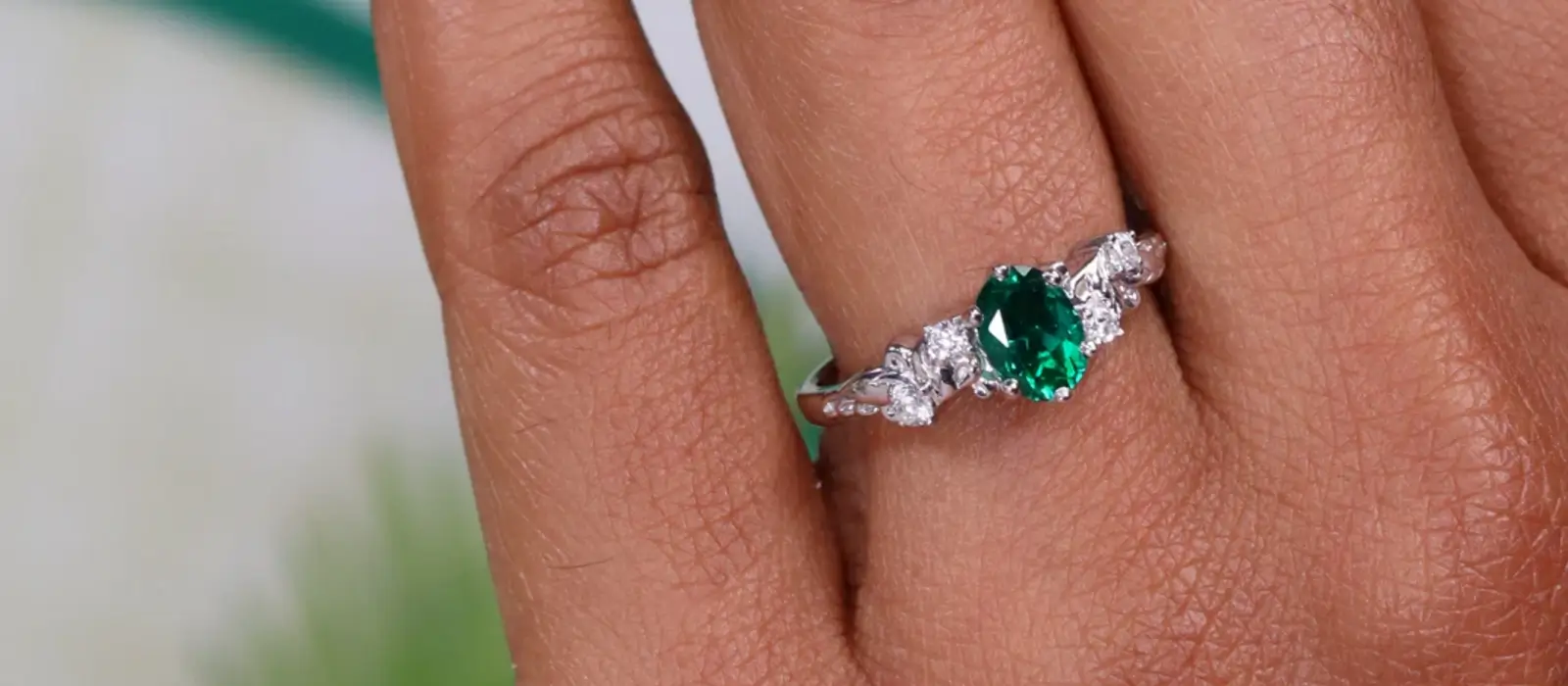
Emerald engagement rings are ideal for those who value natural beauty, individuality, and symbolic meaning, and who are comfortable giving their jewelry a bit of extra care.
Moissanite: Exceptional Brilliance and Modern Appeal
Moissanite has become one of the most popular diamond alternatives in recent years. Known for its incredible sparkle, moissanite actually reflects more light than a diamond, resulting in a fiery, eye-catching appearance.
It is also highly durable, making it suitable for daily wear. Moissanite is lab-created, which appeals to couples who prioritize ethical sourcing and sustainability. In addition, it is significantly more affordable than diamonds, allowing for larger stones or more intricate designs within the same budget.
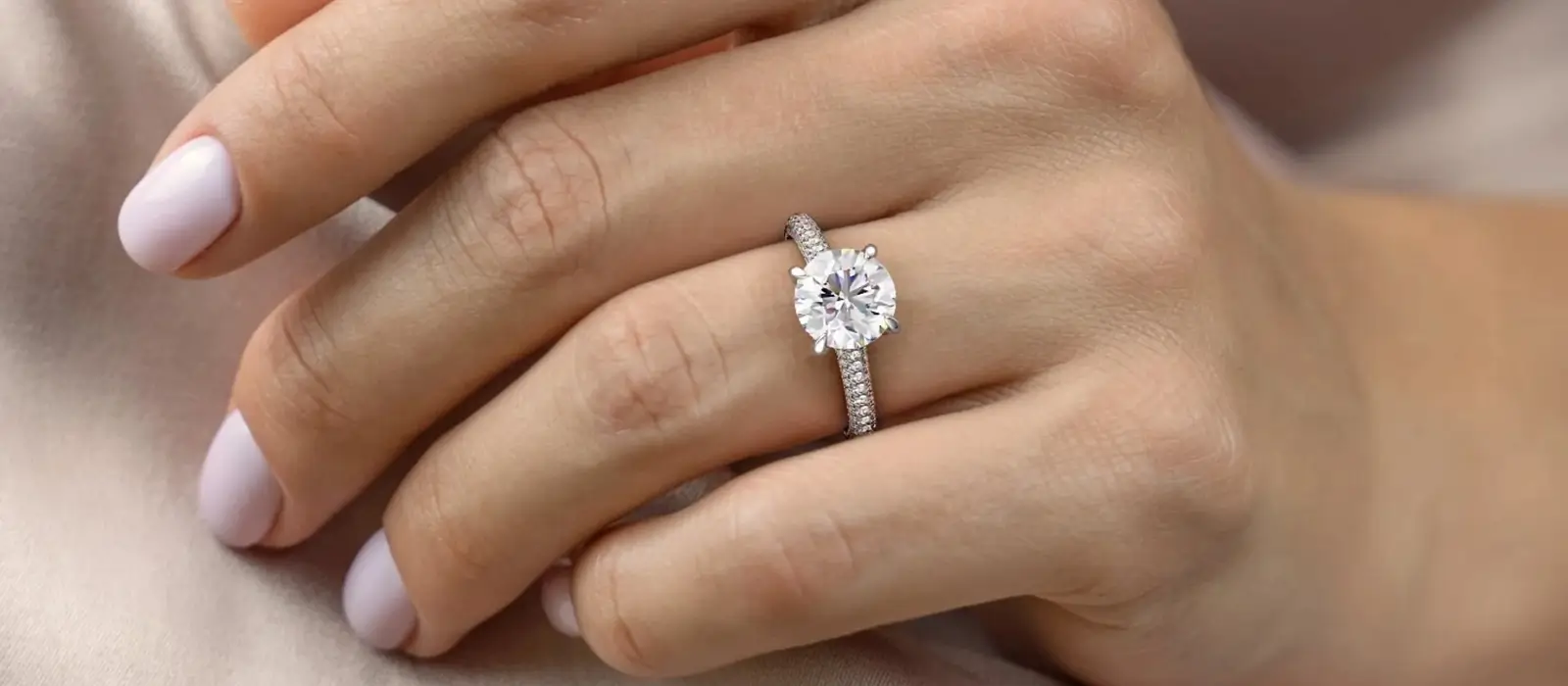
For couples seeking brilliance, durability, and value without compromising on visual impact, moissanite is an outstanding option.
Morganite: Soft Color and Romantic Symbolism
Morganite is known for its soft pink and peach tones, which convey romance, tenderness, and emotional connection. This gemstone has gained popularity among couples who prefer subtle elegance over bold contrast.
While morganite is reasonably durable, it is softer than sapphires and diamonds. Over time, it may show signs of wear, particularly if worn daily without care. Choosing a secure setting and regular maintenance can help preserve its beauty.
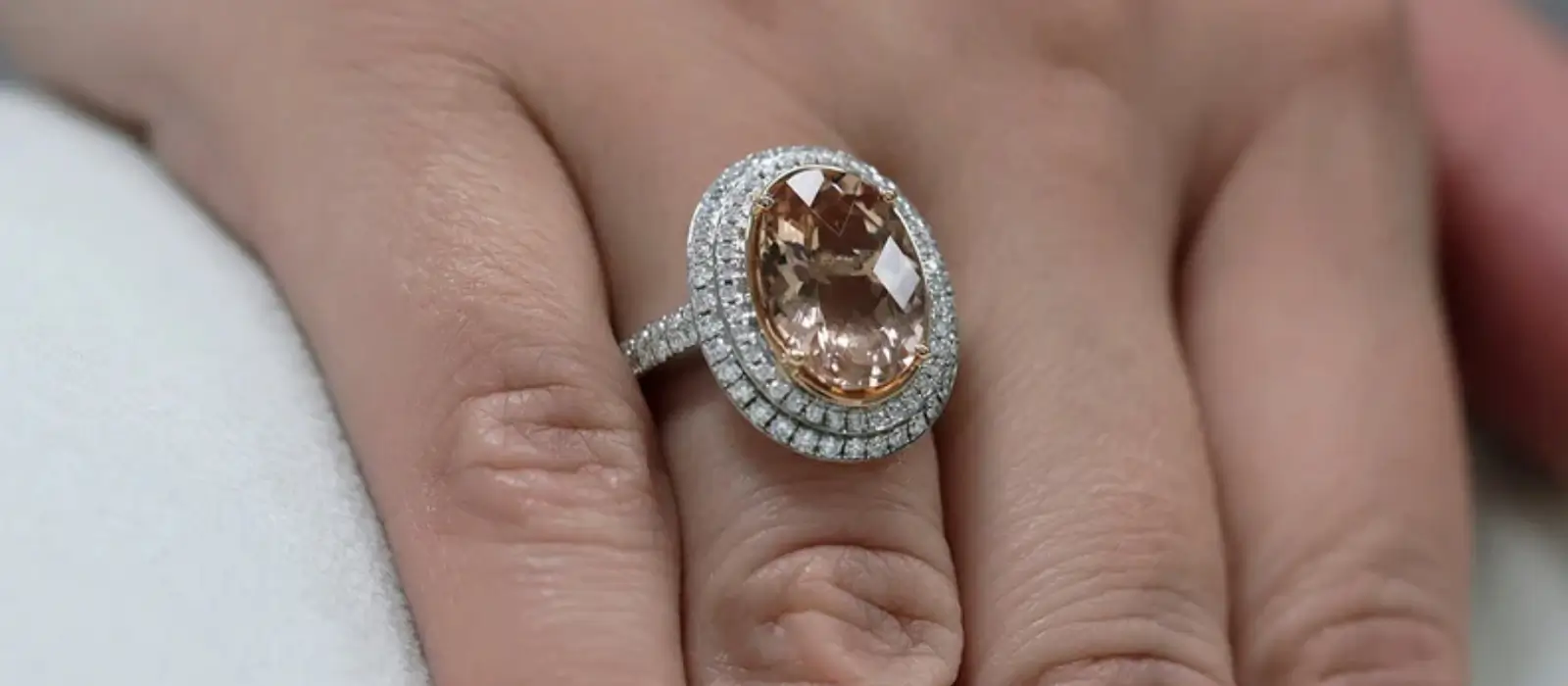
Morganite pairs especially well with warm metal tones and is often chosen for its gentle, modern aesthetic and accessible price point.
Aquamarine: Serenity and Clarity
Aquamarine’s pale blue color evokes calmness, clarity, and trust. Its soothing appearance makes it a beautiful choice for couples who prefer understated elegance.
Aquamarine is moderately durable and suitable for engagement rings when set thoughtfully. Its clarity and cool tone make it especially appealing in minimalist and vintage-inspired designs.
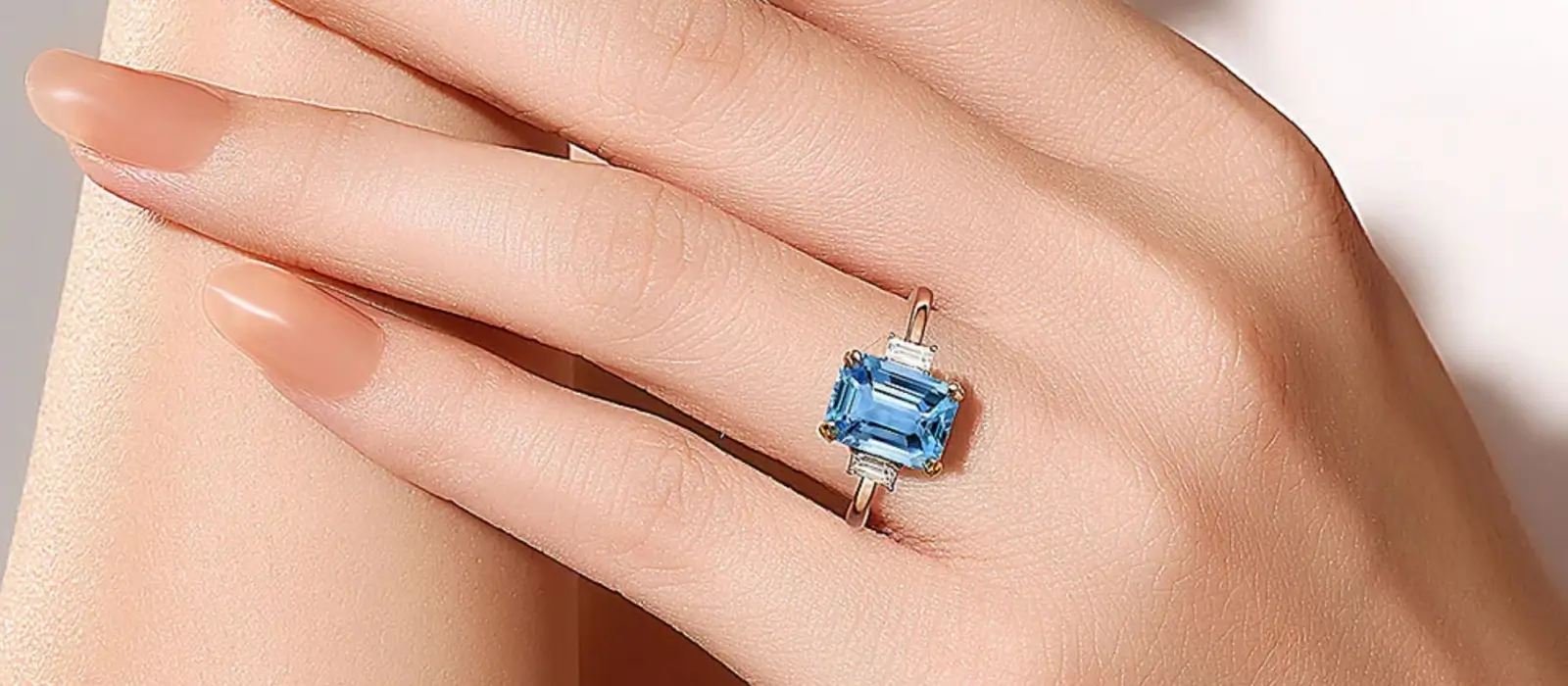
Symbolically associated with harmony and open communication, aquamarine reflects the emotional balance and mutual understanding essential to a strong partnership.
Spinel: A Hidden Gem with Strong Performance
Spinel is an underrated gemstone that offers excellent durability and vibrant color options, including red, blue, purple, and pink. For many years, spinels were mistaken for rubies in royal collections, a testament to their beauty.
With good hardness and natural brilliance, spinel performs well in everyday wear. It is also generally more affordable than rubies and sapphires, making it a smart choice for couples seeking a unique gemstone with long-term practicality.
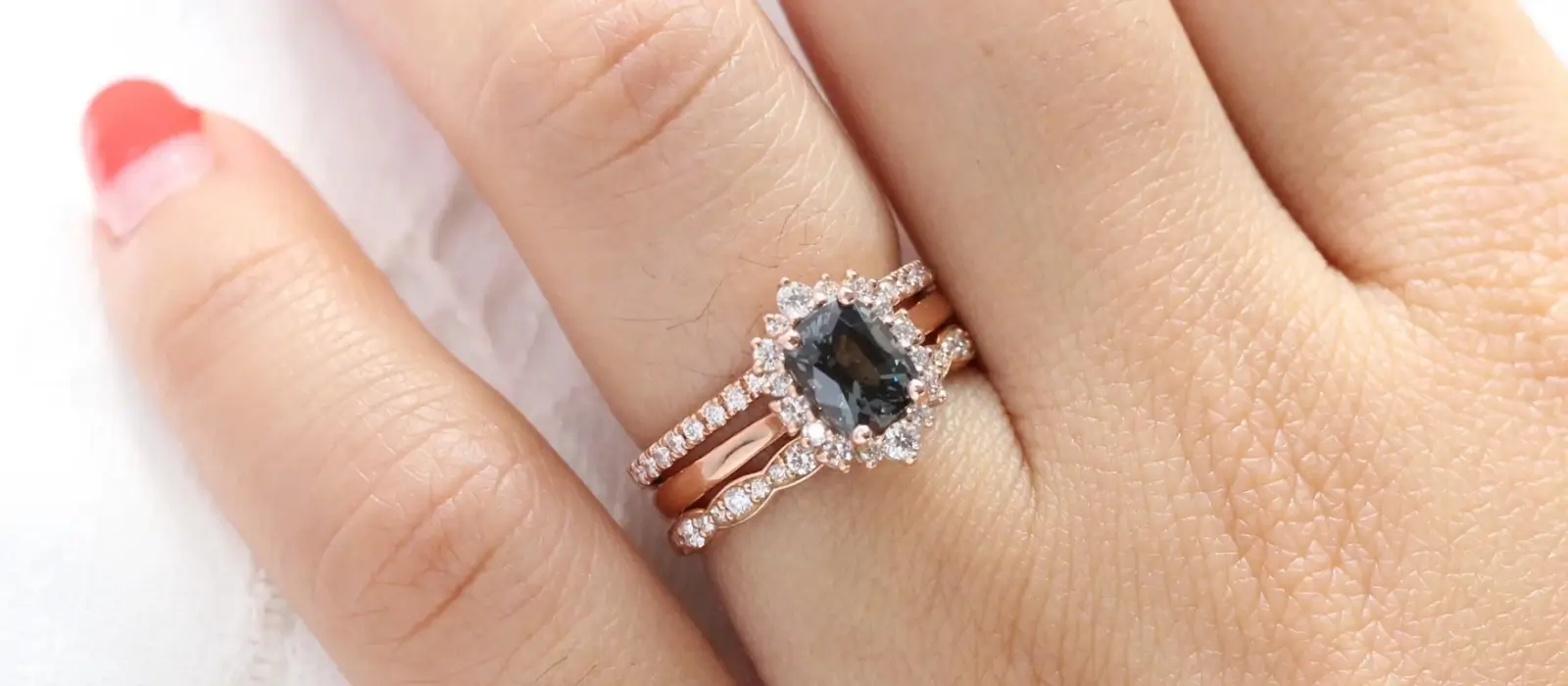
Spinel engagement rings feel distinctive without sacrificing durability or elegance.
Opal: Artistic and One of a Kind
Opals are known for their mesmerizing play of color, making each stone completely unique. This quality appeals to couples who value individuality and artistic expression.
However, opals are significantly softer and more sensitive than most engagement ring gemstones. They can be affected by impact, temperature changes, and moisture, which makes them less suitable for daily wear.
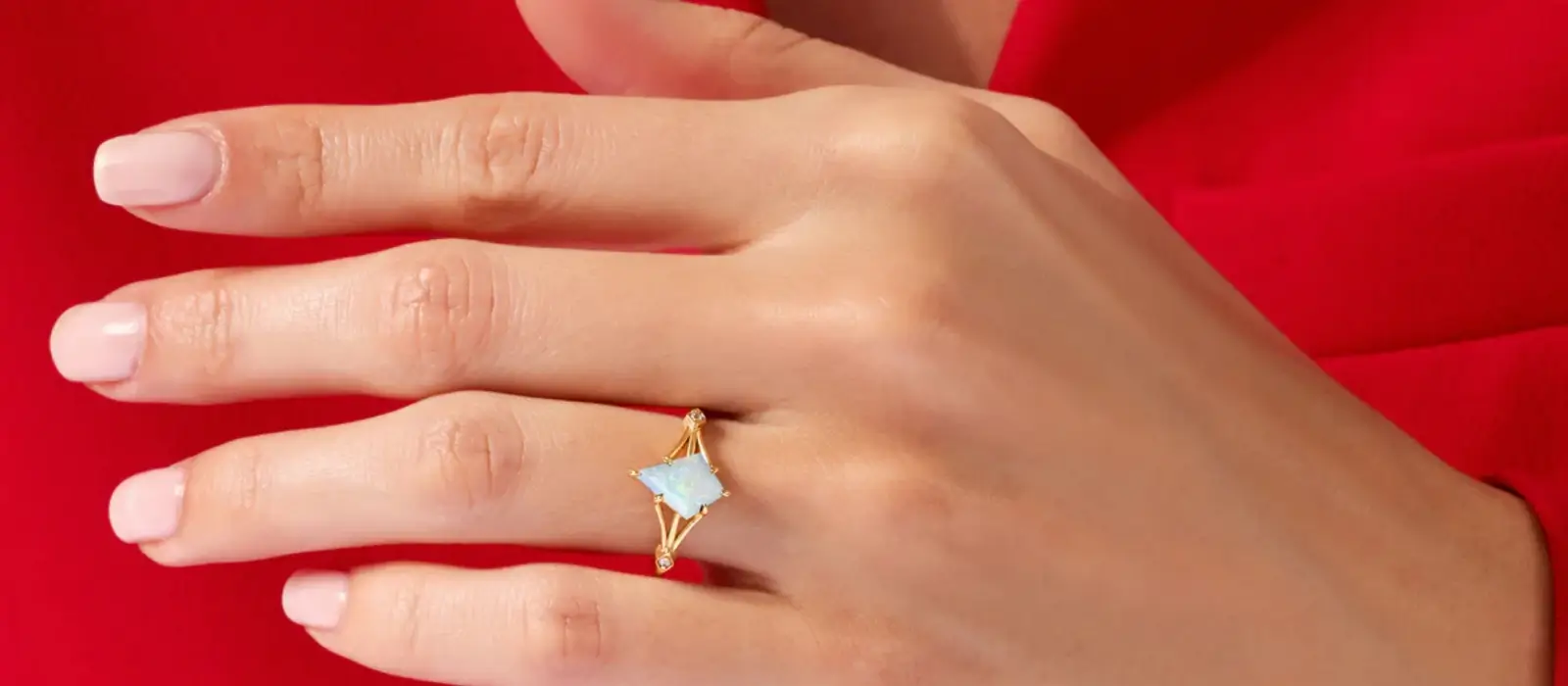
Opal engagement rings are best for those who are careful with their jewelry or prefer to reserve the ring for special occasions. While delicate, opals offer unmatched visual personality.
Garnet: Rich Color with Historical Meaning
Garnets are available in many colors, though deep red remains the most popular. They symbolize loyalty, protection, and enduring affection, giving them strong emotional relevance for engagement rings.
Garnets are more affordable than many traditional gemstones and offer rich color at a lower price point. While they are not as hard as sapphires or diamonds, they can still be worn daily with mindful care.
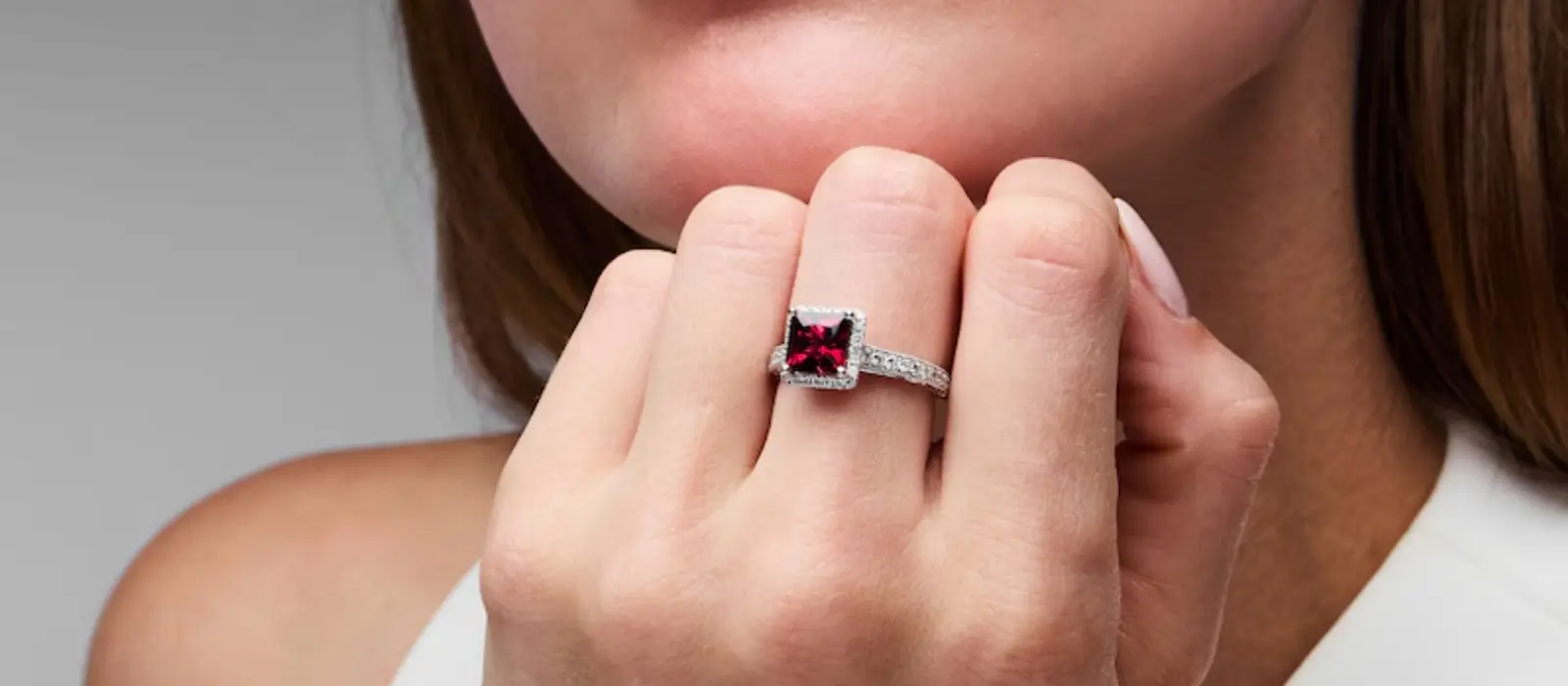
Garnet engagement rings are ideal for couples seeking bold color, history, and value.
How to Choose the Best Gemstone for Your Engagement Ring
The best gemstone for an engagement ring depends on more than appearance alone. Durability is crucial for a ring worn every day, especially for active lifestyles. Stones with higher hardness offer better long-term wear.
Personal style, color preference, symbolism, and budget all matter. Some couples prioritize tradition, while others want something deeply personal or unconventional. Ethical considerations and sourcing may also influence the decision.
There is no universally perfect gemstone—only the one that best reflects your relationship and future together.
Conclusion
Engagement rings today are as diverse as the couples who wear them. While diamonds remain a timeless favorite, gemstones like sapphire, ruby, emerald, moissanite, and morganite offer beautiful and meaningful alternatives. Each gemstone tells a different story, carrying its own symbolism, strengths, and aesthetic appeal.


