

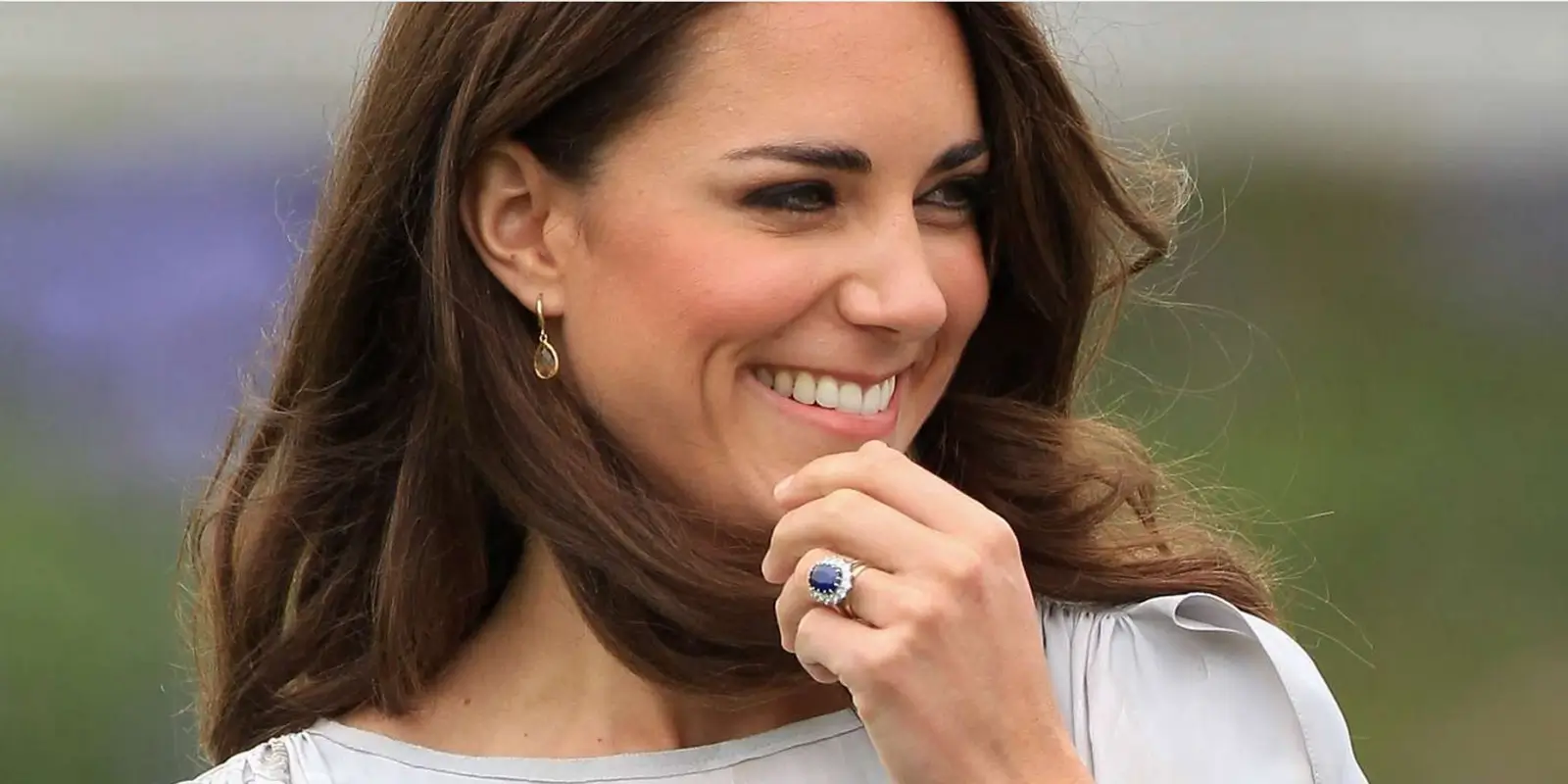

Choosing an engagement ring isn’t just about the setting or design—the stone is the emotional and visual heart of the ring. While diamonds remain the most traditional choice, many modern couples are exploring alternative gemstones that reflect personality, values, and lifestyle just as much as sparkle.
In this in-depth guide, we’ll explore the best engagement ring stones, from timeless classics to unique alternatives. You’ll learn how each stone looks, how durable it is, who it’s best for, and why it might be the perfect symbol of your love.
What Makes a Stone Suitable for an Engagement Ring?
Before diving into specific stones, it’s important to understand what truly matters for an engagement ring gemstone. Unlike fashion jewelry, engagement rings are worn daily, so the stone must balance beauty with durability.
Key factors to consider include hardness, resistance to scratching, long-term durability, brilliance, symbolism, and maintenance needs. Stones rated higher on the Mohs hardness scale generally last longer and handle everyday wear better.
With that in mind, let’s explore the best stones for engagement rings.
Diamond – The Timeless Symbol of Forever
Diamonds are the most popular engagement ring stones worldwide—and for good reason. As the hardest natural material on Earth, diamonds score a perfect 10 on the Mohs scale, making them exceptionally durable for daily wear.
Beyond durability, diamonds are prized for their unmatched brilliance and fire. Their ability to reflect and refract light creates the iconic sparkle most people associate with engagement rings.
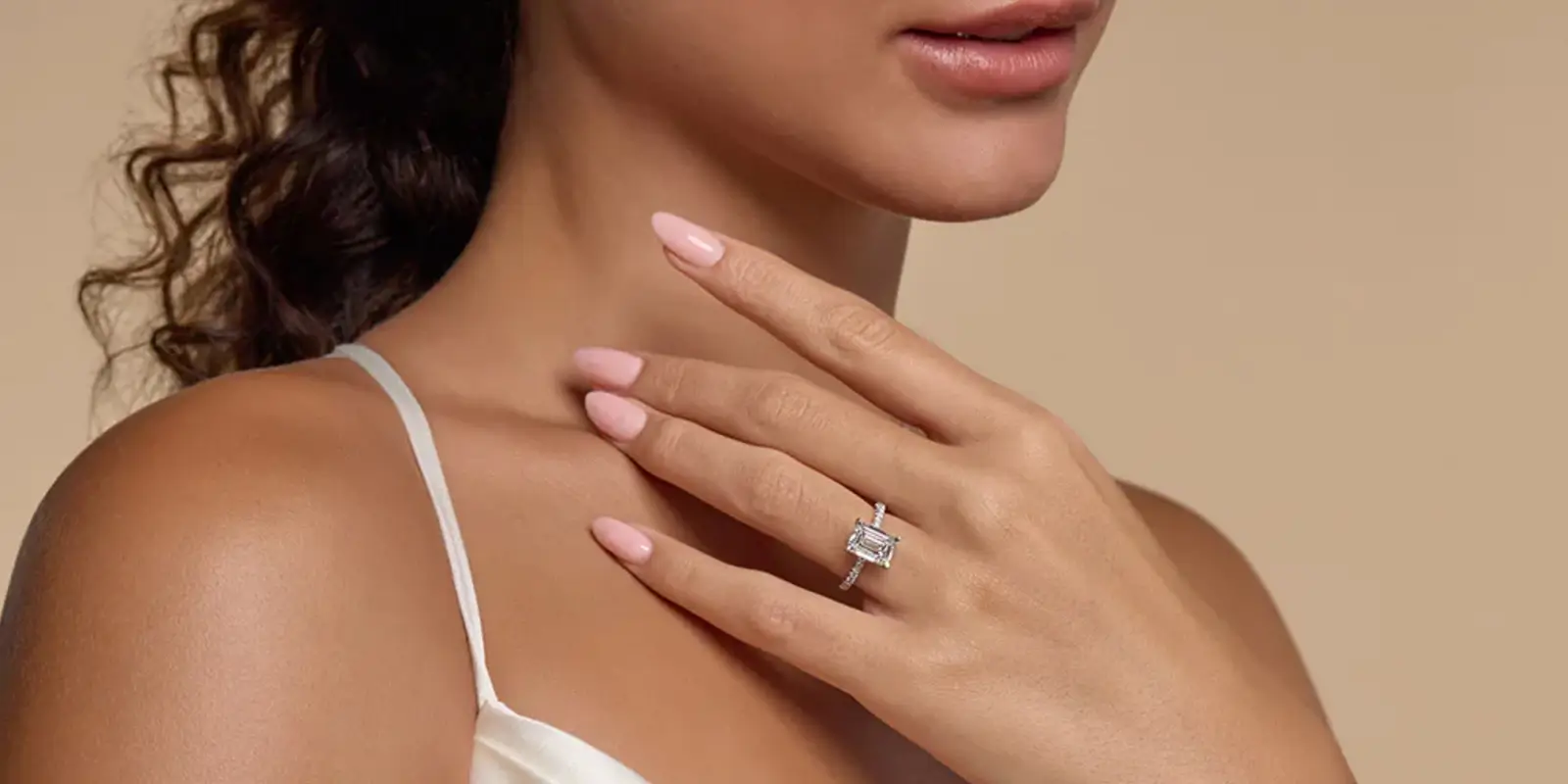
Diamonds also carry deep symbolism, representing eternal love, strength, and commitment. They come in a wide range of shapes, sizes, and qualities, allowing for endless customization.
Best for:
Those who want a traditional, long-lasting, and universally recognized engagement ring stone.
Why choose it:
Nothing beats a diamond for durability, brilliance, and timeless appeal.
Moissanite – Maximum Sparkle with Modern Appeal
Moissanite has quickly become one of the most popular diamond alternatives. Originally discovered in meteorites, today’s moissanite is lab-created and designed for exceptional brilliance.
In fact, moissanite reflects even more light than diamonds, giving it an intense sparkle that’s especially noticeable in sunlight. With a Mohs hardness of 9.25, it’s highly durable and suitable for everyday wear.
Moissanite is also significantly more affordable than diamonds, allowing buyers to choose larger stones without exceeding their budget.
Best for:
Couples who want bold sparkle, ethical sourcing, and excellent value.
Why choose it:
It offers incredible brilliance, durability, and affordability in one stunning stone.
Sapphire – Elegant, Durable, and Full of Meaning
Sapphires are best known for their deep blue color, but they actually come in nearly every color except red. With a Mohs hardness of 9, sapphires are extremely durable—second only to diamonds and moissanite.
Historically associated with royalty, loyalty, and wisdom, sapphires make powerful engagement ring stones. They’re ideal for people who want color without sacrificing durability.
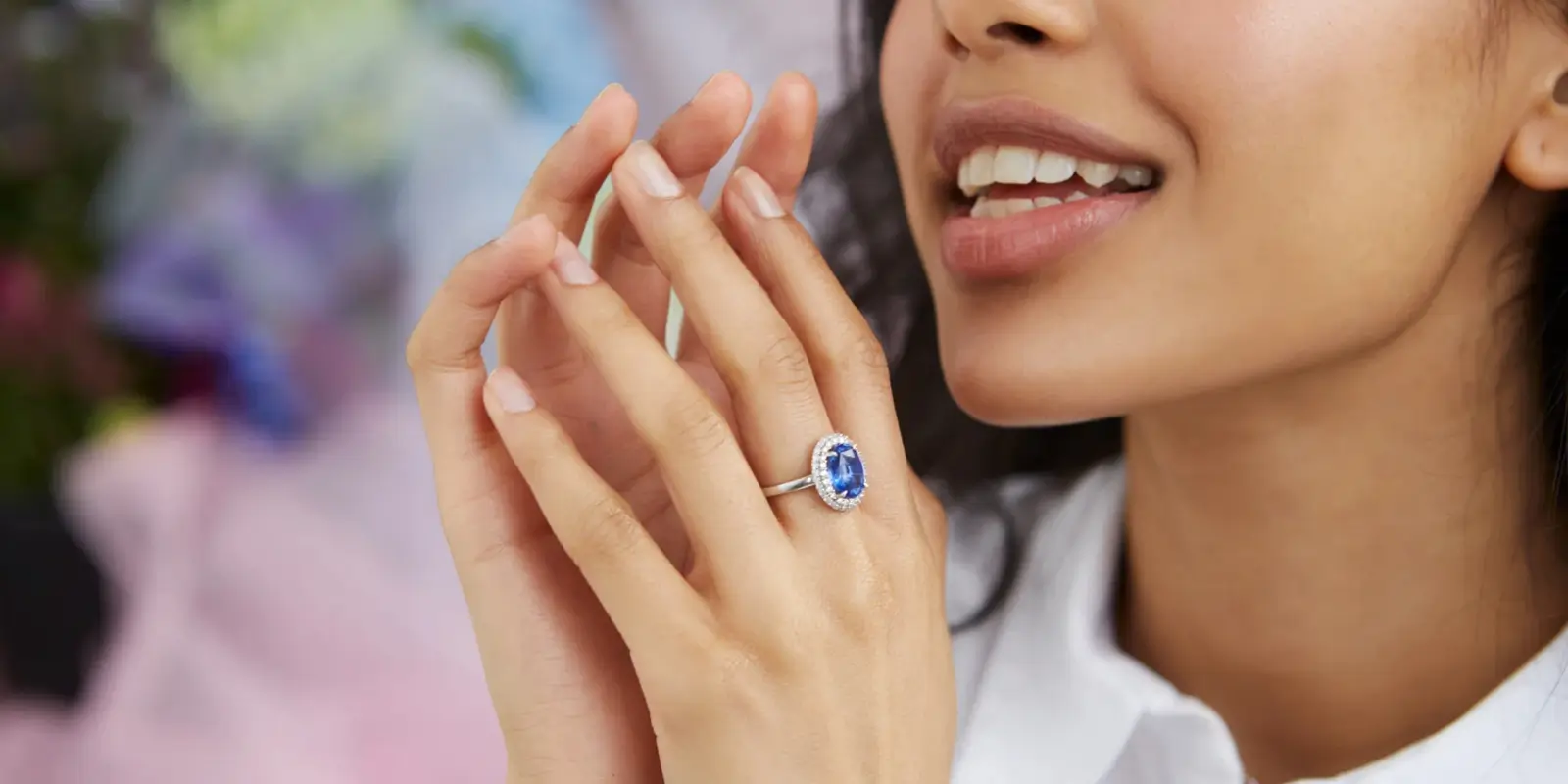
Blue sapphires are the most popular choice, but pink, yellow, green, and white sapphires are also gaining popularity for engagement rings.
Best for:
Those who want a meaningful, colorful stone that stands up to daily wear.
Why choose it:
It blends elegance, symbolism, and strength in a refined gemstone.
Ruby – Passion, Power, and Rare Beauty
Rubies are one of the most emotionally powerful engagement ring stones. Known for their intense red hue, rubies symbolize passion, love, and vitality.
Like sapphires, rubies score 9 on the Mohs scale, making them durable enough for everyday wear. High-quality rubies are rarer than diamonds, especially those with vivid color and minimal inclusions.
Rubies stand out instantly and are often chosen by individuals who want a bold, confident, and romantic statement ring.
Best for:
Those who want a striking, meaningful stone with a rich history.
Why choose it:
Few stones express passion and commitment as powerfully as a ruby.
Emerald – Vintage Luxury with Natural Charm
Emeralds are admired for their lush green color and old-world elegance. They symbolize rebirth, growth, and harmony, making them deeply meaningful engagement ring stones.
However, emeralds are softer than diamonds and sapphires, scoring around 7.5–8 on the Mohs scale. They also often contain natural inclusions, known as “jardin,” which add character but require careful handling.
Emerald engagement rings are best suited for those who appreciate natural beauty and are comfortable with gentle care.
Best for:
Vintage lovers and romantics who value uniqueness over perfection.
Why choose it:
Emeralds offer unmatched color and timeless sophistication.
Morganite – Soft Romance and Modern Elegance
Morganite has surged in popularity thanks to its soft pink and peach tones. It’s often associated with love, compassion, and emotional connection—perfect symbolism for an engagement ring.
With a Mohs hardness of 7.5–8, morganite is suitable for daily wear when properly set, especially in protective settings like halos or bezels.
Morganite pairs beautifully with rose gold, creating a warm, romantic aesthetic that feels modern yet timeless.
Best for:
Those who love soft colors and feminine, romantic designs.
Why choose it:
It offers elegance, symbolism, and affordability with a gentle glow.
Aquamarine – Calm, Clear, and Refreshing
Aquamarine is prized for its serene blue color reminiscent of clear ocean water. It symbolizes tranquility, trust, and harmony—qualities essential to a strong relationship.
Scoring 7.5–8 on the Mohs scale, aquamarine is reasonably durable but benefits from careful wear. It’s an excellent choice for those who want color without overwhelming intensity.
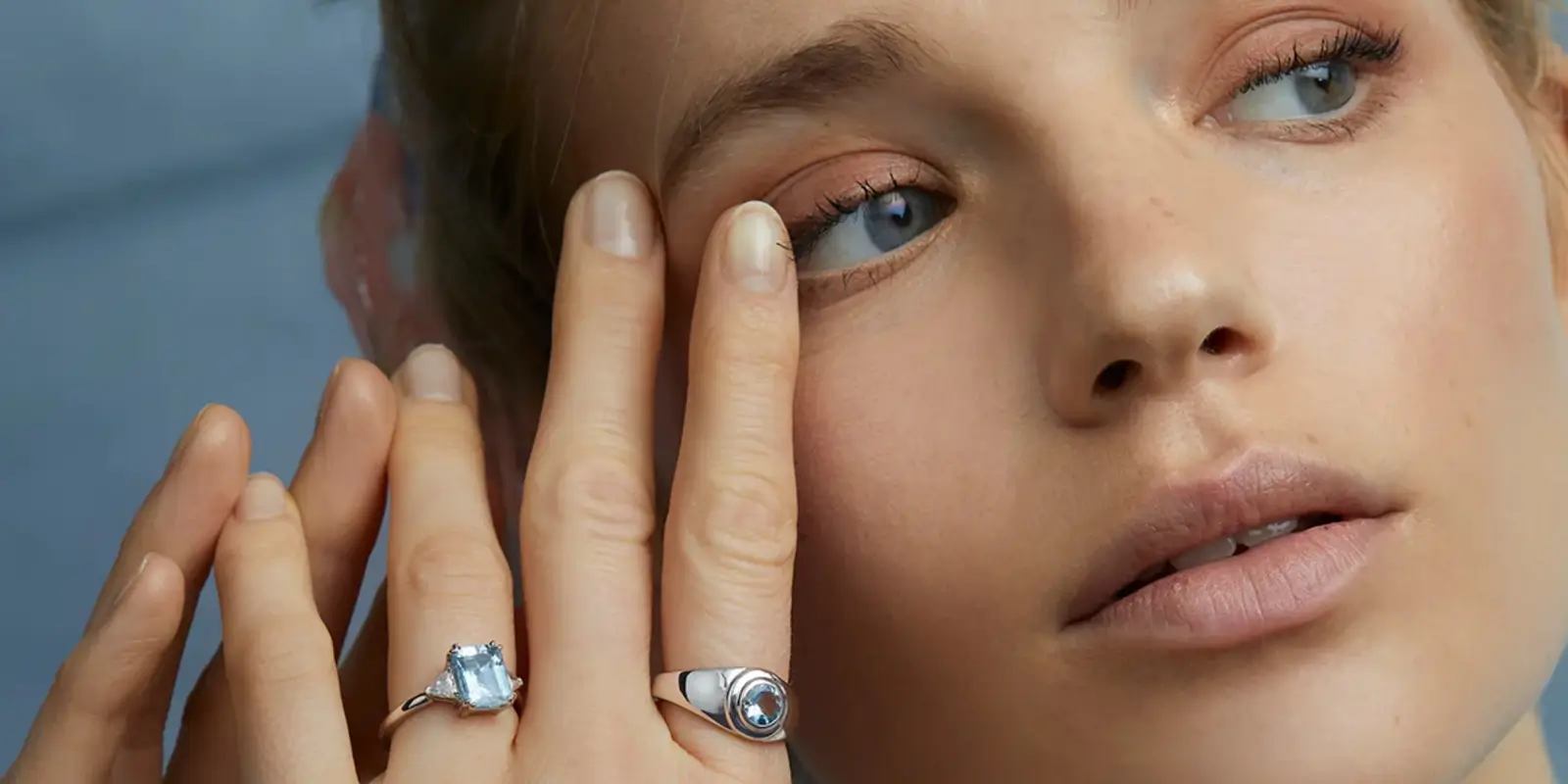
Aquamarine engagement rings feel fresh, light, and effortlessly elegant.
Best for:
Minimalists and nature lovers who prefer subtle beauty.
Why choose it:
Its calming color and clean look make it quietly captivating.
Opal – Artistic Beauty with Emotional Depth
Opals are known for their mesmerizing play-of-color, displaying flashes of rainbow hues within the stone. No two opals are alike, making each ring truly unique.
However, opals are softer and more delicate, with a Mohs hardness of 5.5–6.5. They require extra care and are best suited for people with gentle lifestyles or occasional wear.
Opals symbolize creativity, individuality, and emotional expression.
Best for:
Artistic souls who value uniqueness over durability.
Why choose it:
It’s a one-of-a-kind stone with unmatched visual personality.
Which Engagement Ring Stone Is Best for You?
The best engagement ring stone depends on lifestyle, budget, and personal meaning. Diamonds and moissanite are ideal for daily wear and maximum sparkle. Sapphires and rubies balance durability with color. Emeralds, morganite, and aquamarine appeal to romantics and vintage lovers, while opals suit creative, expressive personalities.
There’s no single right answer—only the stone that best represents your love story.
Final Thoughts
Engagement ring stones are more diverse and meaningful than ever before. Whether you choose the timeless brilliance of a diamond, the ethical sparkle of moissanite, the royal elegance of sapphire, or the soft romance of morganite, your choice should reflect both beauty and intention.