

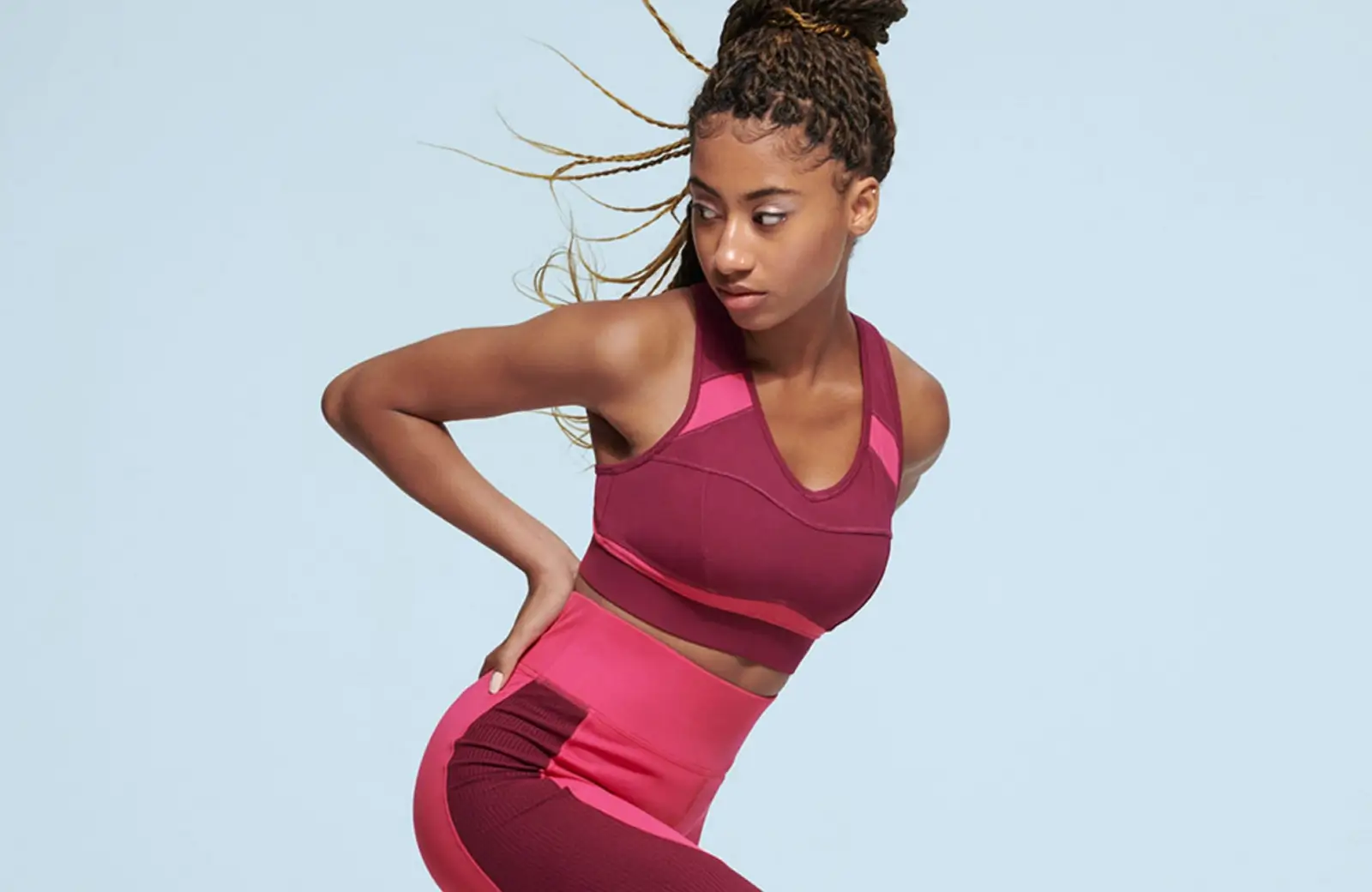

For most of activewear’s commercial history, the word “inclusive” sat firmly in the marketing copy. It meant a slightly extended size range, a campaign image with a couple of different body types, and a press release announcing the brand’s commitment to representation. The clothes, by and large, did not change. In 2026, the gap between language and design is finally closing, and the result is a category that looks meaningfully different from the one most of us grew up shopping in.
The fit problem
Activewear has always been one of fashion’s most exposing categories. The fabrics are tight, the movements are demanding, and any compromise in fit reveals itself the moment you try to do something. A sports bra that does not support properly on a brisk walk becomes actively painful in a yoga flow. Leggings that pinch at the waistband on a stationary commute become unwearable in a vinyasa transition. The more demanding the practice, the more the fit failures show.
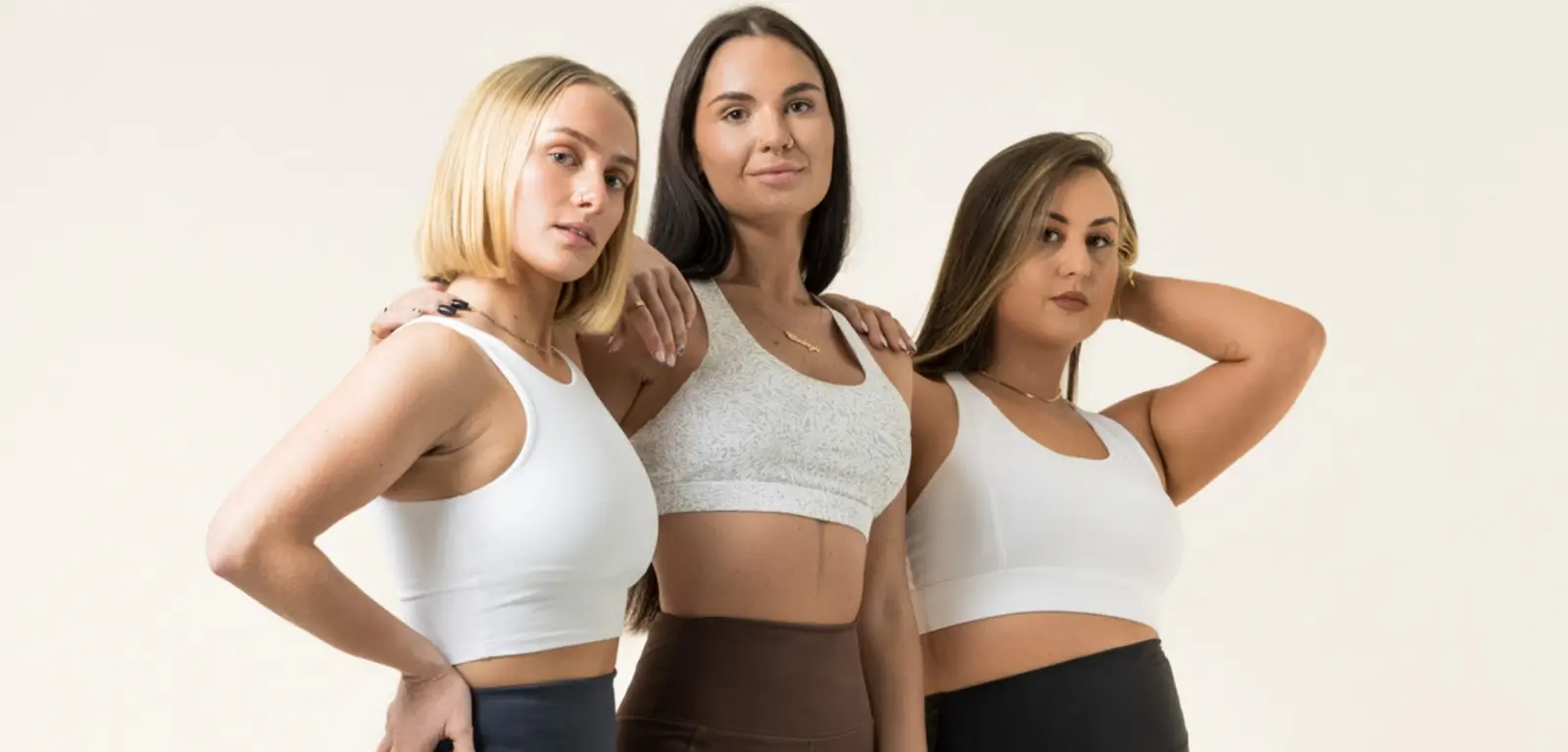
For a long time, the response from the mainstream activewear industry was to design for one body, often with the silent assumption that anyone outside that body should adapt, work around the problem, or buy a different brand entirely. The result was a market full of products that performed beautifully for some women and not at all for others. The gap was rarely acknowledged, but it was always there, and a generation of athletic women got used to working around it.
What actually changed
The shift over the past five years has been quieter than fashion likes to admit. Independent brands, often founded by people who could not find activewear that worked for their own bodies, started designing from underserved starting points. They engineered sports bras for chests the mainstream had ignored, leggings for bodies the mainstream had under-drafted, compression wear for customers the mainstream had not bothered to measure. The products sold. The customer base proved both real and loyal. And the broader industry, slowly, started to pay attention.
The categories that proved the point
The clearest evidence of the inclusive sportswear shift is the proliferation of specialist categories that simply did not exist as serious commercial propositions a decade ago. Post-mastectomy sports bras designed for the actual reality of recovery, rather than retrofitted from standard fits. Compression leggings for amputees and limb-difference athletes. Activewear for older women that takes ageing tendons and joints seriously. Sports bras for trans women, engineered around different chest geometries than the typical activewear bra assumed. Sensory-friendly basics for neurodivergent wearers. Plus-size yoga gear that does not bunch, ride, or chafe through a class.
Each of these categories began as a frustration. Each became a small business. Each, taken together, is now reshaping what mainstream activewear assumes about the body it is designing for.
What inclusive sportswear actually requires
It is worth being precise about what the term means once it stops being marketing. Inclusive sportswear, taken seriously, refers to products designed from the outset to accommodate the actual diversity of bodies that move in them, rather than products initially drafted for a narrow ideal and then nominally extended to fit other people.
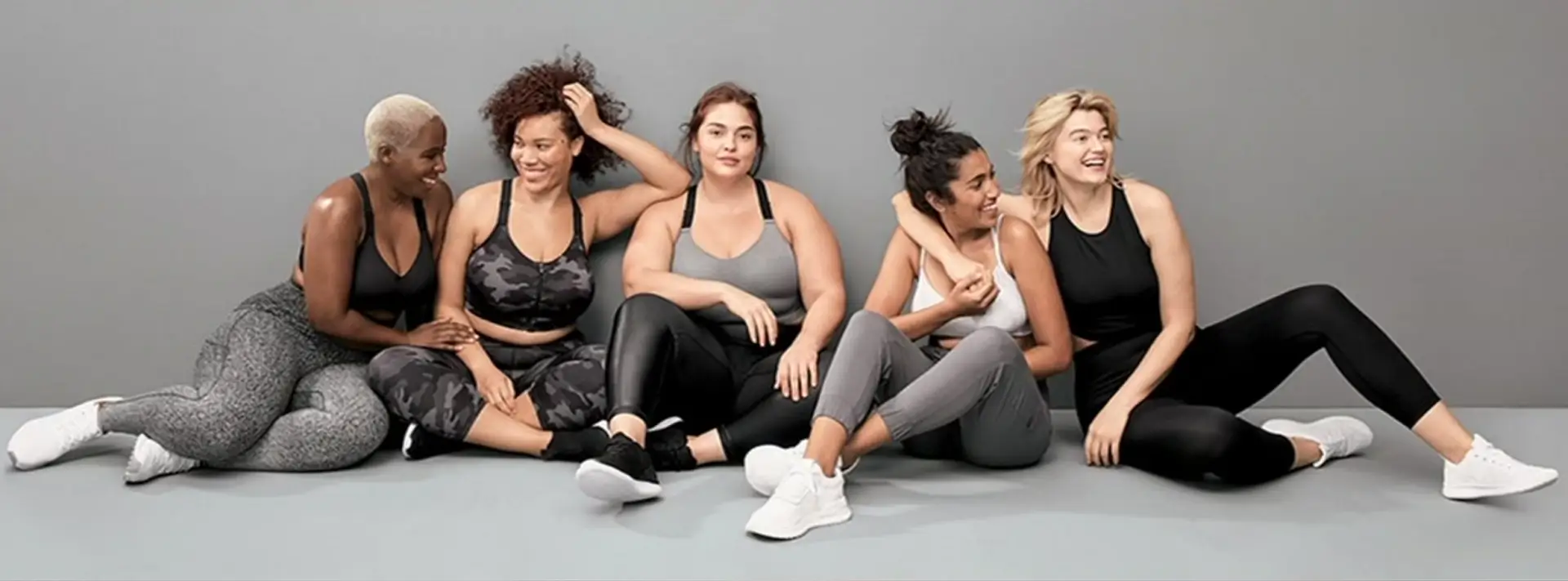
The distinction sounds technical, and it is. A sports bra designed properly for a wider range of chests is not the same garment as a standard sports bra in additional sizes. The cup engineering, the band tension, the strap placement, the underwire geometry: all of it changes once the assumed wearer changes. The same is true of leggings, of cycling shorts, of compression tops. Real inclusive sportswear is not a sizing exercise. It is a design exercise.
What this means for actual movement
The reason any of this matters, in the end, is that movement quality depends on whether the clothes are on your side. Yoga, Pilates, running, lifting: each demands different things from your wardrobe, and the gap between gear that supports the practice and gear that interferes with it tends to be larger than people realise until they switch.
A sports bra that fits properly is the difference between thinking about your body and thinking about what your body is doing. Leggings that hold their shape through a class are the difference between settling into a posture and adjusting your waistband for forty minutes. The cumulative effect of activewear that actually works is the freedom to forget you are wearing it, which is also the freedom to be fully present in the practice itself.
Beyond the visible wardrobe
The most interesting work in inclusive sportswear is no longer the loud campaign that announces itself. It is the quiet design choice taken at the engineering stage, before the product is photographed and before the marketing is written. A sports bra that does not assume one chest. A pair of leggings that does not assume one rise. A waistband cut to sit on a body, rather than over a category.
The phrase “for everyone” used to be a tagline. It is starting, slowly, to become a technical specification. The category that emerges on the other side of this shift will look less revolutionary than the early inclusive marketing promised. It will simply look like activewear that has stopped making one of its oldest and least examined assumptions about who actually moves in it.


