



Controlled training leads to consistent progress.
You’ve been training at home for a while now, and the basics just don’t cut it anymore. The moves feel familiar, the sets blur together, and the progress you saw early on has started to slow down—or stop altogether. That’s normal. Hitting a plateau after months of steady effort is frustrating, but it’s also a sign that you’ve moved beyond the beginner phase. Your body has adapted, and now it needs more than just effort to keep changing.
Training smarter at home doesn’t mean chasing heavier weights or doubling your sessions. It means looking at your workouts differently. When you’ve already built a strong foundation, progress comes from how you program—not just how hard you push. If you’re lifting consistently but not getting stronger, the issue isn’t motivation. It’s strategy. And for experienced lifters like you, small changes in how you train can make a big difference in how your body responds.
Why Progress Slows in Home Training
There’s a point in most home routines where effort alone stops delivering results. You’re still showing up, still putting in the work, but strength gains stall and physical changes taper off. That’s because the human body adapts quickly. Once it becomes efficient at a particular movement or load, that movement no longer creates enough stress to stimulate growth.
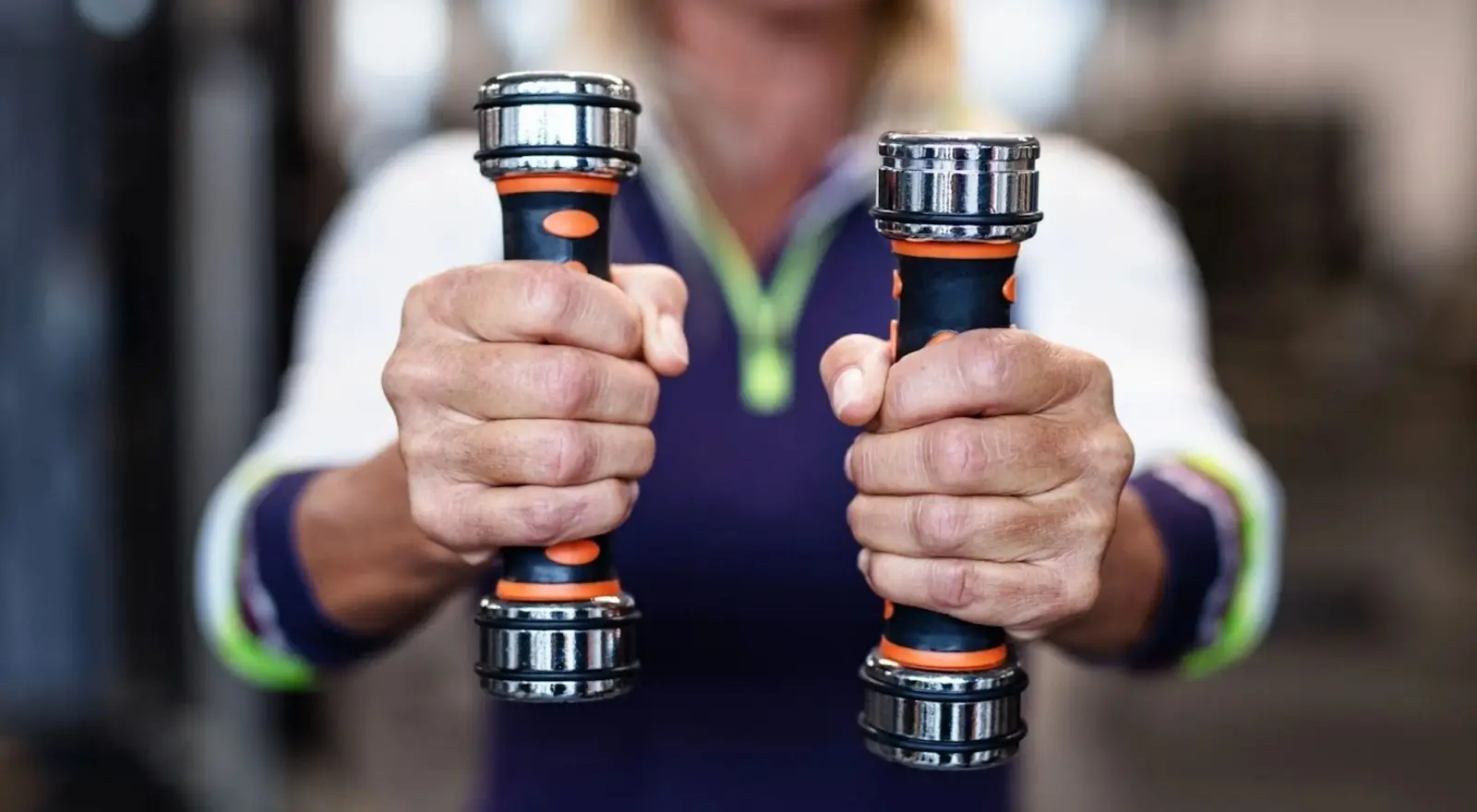
In a gym setting, progress often continues simply because you have access to heavier equipment. At home, it’s different. You’re typically working with a handful of dumbbells, which means the same movements with the same weights over time. Eventually, that combination stops being a challenge. Your muscles need a reason to adapt, and repeating the same exercises with the same load doesn’t give them one.
This is where a lot of experienced home lifters get stuck. The foundation is solid, the form is clean, but the routine has gone static. When progress slows, it’s usually down to a lack of intelligent variation. To get stronger without burning out or upgrading your entire home gym, your approach to training needs to evolve.
Programming Smarter Without More Equipment
You don’t need an endless rack of dumbbells to train at a higher level. What you need is to increase intensity through smarter programming. That means manipulating variables you might have overlooked in earlier stages of training—things like tempo, range, rest timing, and the structure of your sets.
Slowing down your reps is one of the most effective ways to make familiar movements harder. A push-up with a five-second eccentric phase becomes a very different exercise from the version you were doing six months ago. The same applies to movements. Try lowering slowly into a lunge or holding at the bottom of a goblet squat. It’s harder, and your muscles feel the difference immediately.
You can also challenge yourself by reducing stability. Unilateral work—such as single-arm presses or single-leg Romanian deadlifts—forces more core activation and balance. These small adjustments increase difficulty without needing to increase the weight itself.
Rest-pause sets, drop sets, and time-based density training also fit well into intermediate to advanced dumbbell workouts. These techniques squeeze more out of each set, helping you push past plateaus without relying on bigger equipment. When you adjust how you train, not just what you train with, the gains come back into focus.

Structuring Your Week for Recovery and Gains
Training more often doesn’t automatically lead to better results. In fact, experienced lifters often see more progress when they train with a clearer weekly structure. The goal isn’t to go hard every day. It’s to know when to push and when to step back so your body can actually benefit from the work you’re doing.
A well-balanced training week can include a mix of high-intensity sessions, technique-focused days, and lower-load mobility work. This kind of variety allows you to stay consistent without overloading the same muscle groups or energy systems repeatedly. It also reduces the risk of overuse injuries, which become more common as you increase training volume.
Split routines are useful at this stage because they give each muscle group time to recover while keeping your schedule full. That might look like upper-lower splits, push-pull-legs, or even full-body sessions with rotating focuses. The structure matters less than how you manage fatigue and recovery. Training smarter means understanding when you’re building strength and when you’re just wearing yourself down.
Monitoring Performance and Adjusting Load
At an advanced level, progress isn’t always about lifting heavier. It’s about moving better, with more control and consistency. That’s why tracking performance goes beyond counting reps or sets. You’re looking for signs that the quality of your movement is improving—even when the numbers don’t change much.
Slower reps, improved range of motion, and smoother transitions between exercises all point to better neuromuscular control. These are quiet wins, but they matter. They show that your body is adapting in ways that support long-term strength, not just short bursts of power.
When you do increase load, it should be purposeful. A small jump in dumbbell weight can make a big difference when the movement is already dialled in. But load isn’t the only way to measure progression. Swapping a bilateral exercise for a single-arm version, reducing rest time slightly, or maintaining form under fatigue are all valid ways to advance.
This stage of training is less about chasing new personal bests every session and more about staying consistent with technical refinement. That’s how experienced lifters keep improving, even without changing equipment.
Realistic Mindset for Long-Term Strength Gains
You’ve already done the hard part—building a foundation and staying consistent. The next stage isn’t about dramatic changes. It’s about making small, intentional adjustments that keep your progress moving. With limited equipment, you’re forced to get creative, but that often leads to better outcomes. You learn to train with focus, not just force. Long-term strength doesn’t come from grinding harder. It comes from understanding how your body responds and knowing when to change the plan. Stay patient, stay sharp, and trust that smart effort adds up.