


Key Takeaways
• Yoga builds awareness and movement quality, but doesn’t always meet recovery needs
• Pain, imbalance, or overuse sometimes require clinical assessment and rehab
• Physiotherapy can complement yoga by identifying and addressing underlying issues
Yoga teaches you to listen — to joints, to breath, to fatigue you once ignored. For many people, it becomes a long-term practice that supports strength, clarity, and movement quality. But even a well-established routine isn’t always enough when pain surfaces, tension persists, or the body stops responding the way it used to.
Some physical issues can’t be stretched, breathed, or modified away. They ask for something more structured — something that works with yoga but steps in where it falls short. This is where clinical support becomes useful, not as a replacement for practice, but as a tool that helps it continue. Recovery and maintenance are rarely one-size-fits-all, and there are times when tuning in means also reaching out.
What yoga gives — and what it can’t always provide
The value of yoga is undeniable. It improves control, increases range, and creates space between effort and reaction. For people recovering from stiffness or disconnection, it often opens a door that other movement forms never quite could. But for all its benefits, yoga isn’t designed to isolate dysfunction or load tissue with precision.

Over time, small issues can become more visible. One shoulder always tighter than the other. A hamstring that never quite lets go. An ache that shifts but never leaves. These patterns often go unaddressed because they don’t interfere with movement — until they do.
Yoga’s strength lies in its breadth, not its specificity. It’s not meant to replace therapeutic work, especially when recovery needs go beyond what breath and mobility can resolve.
The difference between body awareness and targeted recovery
Yoga makes you aware of sensation. You begin to notice the difference between stretch and strain, fatigue and fragility. But recognising discomfort doesn’t always mean knowing how to change it. That’s where targeted recovery comes in — the kind built on clinical assessment and physical reasoning, not just internal feedback.
Physiotherapy works by identifying which structures are involved, how they’re behaving under load, and what sequence of movements will safely restore function. It’s less about how something feels in the moment and more about how it behaves over time. You’re not just working around a problem — you’re addressing it.
This doesn’t mean abandoning yoga. It means refining your relationship with movement by combining it with objective input. When that input is accurate, recovery becomes more than rest — it becomes progress.
Where physio meets practice
Some of the most common challenges in yoga don’t come from the movements themselves, but from the effort to move through them without adequate support. Pushing into depth before building control. Repeating patterns that reinforce imbalances. Adjusting for pain instead of resolving it.
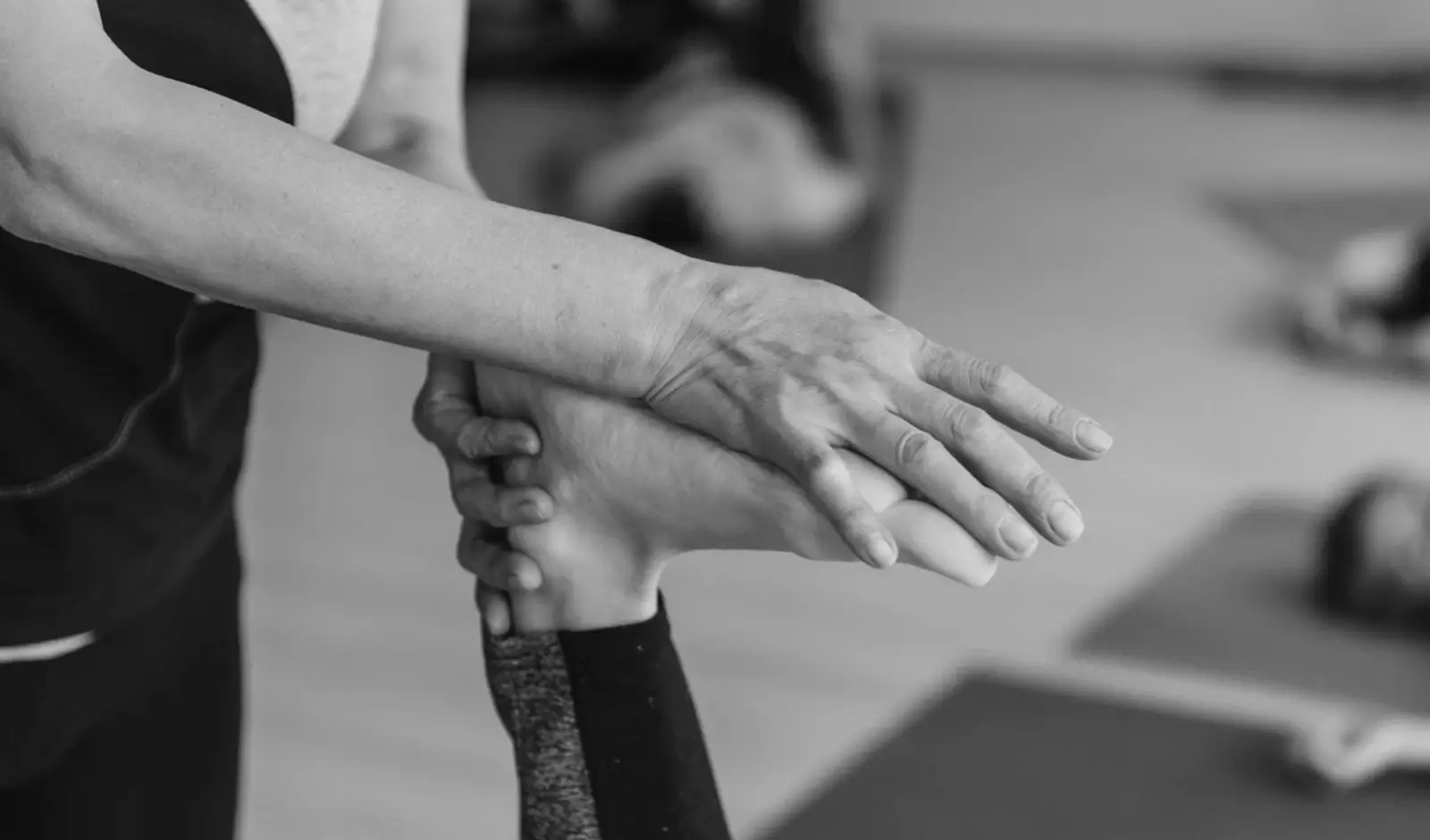
Physiotherapy offers a way to catch these issues early, before they become limitations. It supports practice by providing a layer of information yoga doesn’t always uncover — about joint function, tissue load, and movement sequencing. When you have access to a physiotherapist in Reservoir Melbourne, that kind of support becomes more realistic and consistent. It means recovery isn’t delayed by distance or guesswork, and ongoing care fits within your everyday routine.
This local connection allows physio to complement your yoga, not interrupt it. Sessions can inform your practice rather than replace it, creating a feedback loop that supports growth and healing at once.
Rethinking pain, posture, and movement goals
Many yoga practitioners carry quiet assumptions: that pain is a signal to stretch more, that good posture means stillness, or that going deeper means doing better. These ideas aren’t always wrong, but they’re often incomplete — especially when injury or compensation is involved.
Physio invites you to reframe those patterns. It may show you that your pain isn’t from tightness but from instability. That your alignment looks fine but isn’t functionally supportive. That what you’re calling “hip opening” is really over-recruitment of a single joint.

These realisations don’t diminish your practice — they sharpen it. You begin to choose movements based on what supports your body long-term, not just what looks or feels good in the moment. And when pain does show up, you don’t have to guess what to do. You already have a process.
Making space for both in your routine
Yoga and physiotherapy don’t compete. One creates connection, the other creates clarity. You can attend class for focus and grounding, and still see a physio for guidance with recovery or loading strategies. They support different needs but share the same outcome: movement that feels intelligent and adaptable.
Making space for both doesn’t mean adding more to your schedule. It means adjusting what you already do to reflect what your body needs now. Sometimes that’s a modified flow. Other times it’s a structured rehab plan. Most often, it’s both, layered in a way that feels sustainable and respectful of the process.
Learning when to rest, when to push, and when to refer outward is part of mature practice. It’s what keeps yoga sustainable — not just physically, but emotionally too.
Conclusion
Caring for your body doesn’t always mean doing more. Sometimes it means doing differently — adding support where insight runs out, or letting someone else guide the work when self-awareness alone isn’t enough. Physiotherapy offers structure in those moments, helping yoga remain a practice that heals rather than strains.
The more you practice, the more you realise that recovery is not a retreat from movement. It’s a part of it. Having the right tools around you — on and off the mat — is what lets the body keep showing up, not just today, but for the long run.